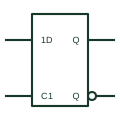
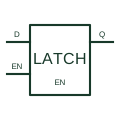
Understand the difference. Compare the meaning, drawing context and source references of two entries. A similar graphic or shared abbreviation does not establish equivalence.
First referenceCurrent transformer · CT Voltage transformer · VT / PT Circuit breaker · CB Disconnector · Isolator Load-break switch · LBS Earthing switch · ES Fuse · FU Busbar · Bus Normally open contact · NO Normally closed contact · NC Changeover contact · CO Relay coil · Coil Contactor · KM Normally open pushbutton · PB NO Normally closed pushbutton · PB NC Emergency-stop operator · E-stop Selector switch · SS Indicator lamp · Lamp Terminal connection · Terminal CT test terminal · CT test Power transformer · TX Generator · GEN Three-phase motor · M PLC input / output · PLC I/O Capacitor · C Resistor · R Protective earth · PE Battery · BAT Power converter / inverter · PCS Single-pole circuit breaker · CB 1P Thermal circuit breaker · CB TH Thermal-magnetic circuit breaker · CB TM Current-limiting circuit breaker · CB LIM Residual-current circuit breaker · RCCB Residual-current breaker with overcurrent protection · RCBO Circuit breaker with undervoltage release · CB UV Circuit breaker with electronic trip unit · CB ETU Miniature circuit breaker · MCB Moulded-case circuit breaker · MCCB Air circuit breaker · ACB Additional circuit-breaker pole · CB POLE Switch-disconnector · SD Lockable disconnector · DS LOCK Lockable switch-disconnector · SD LOCK Three-position disconnector · DS 3POS Semiconductor power switch · SSW Unidirectional semiconductor power switch · SSW UNI Two-pole power switch · SW 2P Disconnector auxiliary NO contact · DS AUX NO Disconnector auxiliary NC contact · DS AUX NC Fused switch · SW FUSE Fuse-switch · FUSE SW Additional fused-switch pole · FUSE POLE General-purpose full-range fuse · gG Motor short-circuit fuse · aM Motor full-range fuse · gM Current transformer with two secondaries · CT 2SEC Tapped-secondary current transformer · CT TAP Current transformer with primary conductor indication · CT PRI Core-balance current transformer · CBCT Residual connection of phase CTs · CT RES Single-phase two-winding transformer · TX 1PH Electrostatically screened transformer · TX SCREEN Three-winding transformer · TX 3W Adjustable-ratio transformer · TX ADJ Single-phase autotransformer · AT 1PH Three-phase star autotransformer · AT 3PH Y Star-delta transformer · TX Y-D Delta-star transformer · TX D-Y Delta-delta transformer · TX D-D Star-star transformer · TX Y-Y Star-zigzag transformer · TX Y-Z Star-star-delta three-winding transformer · TX Y-Y-D Delta winding connection · DELTA Open-delta winding connection · OPEN D Star winding connection · STAR Y Star winding with accessible neutral · Y N Zigzag winding connection · ZIGZAG Mechanically latched relay coil · K LATCH Relay reset coil · K RESET Solid-state relay · SSR Polarised relay coil · K POL AC relay coil · K AC High-speed relay · K FAST Measuring relay · K MEAS Relay coil with diode suppression · K DIODE Relay coil with diode and LED · K D LED Relay coil with capacitor suppression · K CAP Relay coil with RC suppression · K RC Counter relay with manual reset · COUNT MAN Counter relay with electrical reset · COUNT ELEC Non-resettable counter relay · COUNT TOTAL On-delay timer relay · TON Off-delay timer relay · TOFF On-delay normally-open contact · TON NO On-delay normally-closed contact · TON NC Off-delay normally-open contact · TOFF NO Off-delay normally-closed contact · TOFF NC Maintained normally-open contact · NO HOLD Maintained normally-closed contact · NC HOLD Manually unlatched NO contact · NO UNLATCH Manually unlatched NC contact · NC UNLATCH Early-make normally-open contact · NO EARLY Late-make normally-open contact · NO LATE Early-break normally-closed contact · NC EARLY Late-break normally-closed contact · NC LATE Make-before-break changeover contact · MBB Motor overload trip NC contact · OL NC Motor overload alarm NO contact · OL NO Illuminated normally-open pushbutton · PB NO LAMP Illuminated normally-closed pushbutton · PB NC LAMP Maintained normally-open pushbutton · PB NO HOLD Maintained normally-closed pushbutton · PB NC HOLD Key-operated normally-open switch · KEY NO Key-operated normally-closed switch · KEY NC Latched key-operated switch · KEY HOLD Pull-cord switch · PULL CORD Foot-operated switch · FOOT Lever-operated switch · LEVER Three-position maintained selector · SEL 3 HOLD Three-position selector returning from left · SEL 3 LRET Three-position selector returning from right · SEL 3 RRET Three-position centre-return selector · SEL 3 CRET Three-position key selector · KEY SEL 3 Four-position maintained selector · SEL 4 HOLD Four-position key selector · KEY SEL 4 Normally-open limit switch · LS NO Normally-closed limit switch · LS NC Roller-operated limit switch · LS ROLLER Cam-operated limit switch · LS CAM Pressure switch NO · PS NO Pressure switch NC · PS NC Temperature switch NO · TS NO Temperature switch NC · TS NC Self-operating thermal switch · TS SELF Float level switch NO · LS FLOAT NO Float level switch NC · LS FLOAT NC Liquid flow switch · FS LIQ Gas flow switch · FS GAS Inductive proximity switch · PROX IND Three-wire inductive proximity switch · PROX IND 3W Capacitive proximity switch · PROX CAP Magnetic proximity switch · PROX MAG Photoelectric emitter-receiver switch · PHOTO Thermocouple · TC Resistance temperature detector · RTD Voltmeter · V Ammeter · A Power-factor meter · PF Phase-angle meter · PHASE Frequency meter · Hz Temperature indicator · TEMP Tachometer · RPM Running-hours meter · HOURS Ampere-hour meter · Ah Recording wattmeter · W REC Reactive-power meter · var Synchronoscope · SYNC SCOPE Active-power indicator · kW Differential voltmeter · DELTA V Active-energy meter · kWh Reactive-energy meter · kvarh Maximum-current monitoring relay · I HIGH Minimum-current monitoring relay · I LOW Current window monitoring relay · I WINDOW Differential-current measuring relay · I DIFF Residual-voltage monitoring relay · U RES Loss-of-voltage monitoring relay · U LOSS Phase-loss monitoring relay · PH LOSS Frequency monitoring relay · f MON Minimum active-power relay · P LOW Feed-through terminal block · TB FEED Disconnect terminal block · TB DISC Knife-disconnect terminal · TB KNIFE Fuse terminal block · TB FUSE Diode terminal block · TB DIODE Component terminal block · TB COMP Multilevel terminal block · TB LEVEL Multi-conductor terminal block · TB MULTI Protective-earth terminal block · TB PE Sensor terminal block · TB SENSOR Actuator terminal block · TB ACT Plug-in terminal block · TB PLUG High-current terminal block · TB POWER Terminal jumper bridge · TB BRIDGE Plug and socket connector pair · PLUG SOCKET Connector plug half · PLUG Connector socket half · SOCKET Wire splice · SPLICE Earth connection · EARTH Functional earth · FE Protective equipotential bonding · BOND PE Functional equipotential bonding · BOND FE Surge arrester · SA Gas-discharge protection tube · GDT Spark-gap protective element · SPARK GAP Variable resistor · R VAR Potentiometer · POT Light-dependent resistor · LDR Heating element · HEATER RC network · RC Varistor · VDR Current-measuring shunt · SHUNT Electrolytic capacitor · C ELEC Feedthrough capacitor · C FEED Adjustable capacitor · C ADJ Three-phase power-factor capacitor · CAP 3PH Reactor · L Iron-core reactor · L IRON Gapped-core inductor · L GAP Adjustable-core inductor · L ADJ Diode · D Photodiode · PD Zener diode · ZD DIAC · DIAC Single-phase bridge rectifier · BR 1PH Three-phase bridge rectifier · BR 3PH Silicon-controlled rectifier · SCR Gate-turn-off thyristor · GTO TRIAC · TRIAC Bidirectional breakdown diode · TVS BI Single-phase AC motor · M 1PH AC Single-phase motor with fan · M 1PH FAN Three-phase AC motor · M 3PH Three-phase motor with fan · M 3PH FAN Wound-rotor induction motor · M WR Three-phase synchronous motor · M 3PH SYNC DC motor · M DC Permanent-magnet DC motor · M DC PM Series-excited DC motor · M DC SERIES Separately excited DC motor · M DC SEP DC generator · G DC Compound-excited DC generator · G DC COMP Three-phase synchronous generator · G 3PH SYNC Permanent-magnet synchronous generator · G 3PH PM AC-to-DC power supply · PSU AC-DC DC-to-DC converter · DC-DC DC-to-AC inverter · INV DC-AC DC uninterruptible power supply · UPS DC AC uninterruptible power supply · UPS AC Capacitor buffer module · BUFFER CAP Redundant power-supply decoupling module · PSU RED Analog current signal isolator · ISO I-I Temperature measuring transducer · TEMP TX Photovoltaic inverter · PV INV Single-phase AC source · AC 1PH Three-phase AC source · AC 3PH Photovoltaic generator · PV GEN Solar generating station · SOLAR STN Wind generating station · WIND STN Substation · SUBSTATION Converter substation · CONV STN Generic electrical load · LOAD Transformer-fed indicator lamp · LAMP TX Push-to-test indicator lamp · LAMP TEST LED indicator lamp · LAMP LED Flashing indicator lamp · LAMP FLASH Flashing beacon · BEACON FLASH Rotating beacon · BEACON ROT PLC digital input · DI PLC relay output · DO RELAY PLC transistor output · DO TRANS PLC analog input · AI PLC analog output · AO PLC temperature input · TI Capacitor voltage transformer · CVT / CCVT ANSI/IEEE circuit breaker symbol · CB ANSI/IEEE thermal circuit breaker symbol · CB TH ANSI/IEEE thermal-magnetic circuit breaker symbol · CB TM ANSI/IEEE current-limiting circuit breaker symbol · CB LIM ANSI/IEEE circuit breaker with undervoltage release symbol · CB UV ANSI/IEEE circuit breaker with electronic trip unit symbol · CB ETU ANSI/IEEE disconnector symbol · Isolator ANSI/IEEE switch-disconnector symbol · SD ANSI/IEEE lockable disconnector symbol · DS LOCK ANSI/IEEE lockable switch-disconnector symbol · SD LOCK ANSI/IEEE fused switch symbol · SW FUSE ANSI/IEEE fuse symbol · FU ANSI/IEEE fuse-switch symbol · FUSE SW ANSI/IEEE current transformer symbol · CT ANSI/IEEE current transformer with two secondaries symbol · CT 2SEC ANSI/IEEE tapped-secondary current transformer symbol · CT TAP ANSI/IEEE voltage transformer symbol · VT / PT ANSI/IEEE power transformer symbol · TX ANSI/IEEE electrostatically screened transformer symbol · TX SCREEN ANSI/IEEE three-winding transformer symbol · TX 3W ANSI/IEEE adjustable-ratio transformer symbol · TX ADJ ANSI/IEEE single-phase autotransformer symbol · AT 1PH ANSI/IEEE reactor symbol · L ANSI/IEEE iron-core reactor symbol · L IRON ANSI/IEEE gapped-core inductor symbol · L GAP ANSI/IEEE adjustable-core inductor symbol · L ADJ ANSI/IEEE normally open contact symbol · NO ANSI/IEEE normally closed contact symbol · NC ANSI/IEEE changeover contact symbol · CO ANSI/IEEE relay coil symbol · Coil ANSI/IEEE mechanically latched relay coil symbol · K LATCH ANSI/IEEE relay reset coil symbol · K RESET ANSI/IEEE polarised relay coil symbol · K POL ANSI/IEEE ac relay coil symbol · K AC ANSI/IEEE relay coil with diode suppression symbol · K DIODE ANSI/IEEE relay coil with rc suppression symbol · K RC ANSI/IEEE on-delay timer relay symbol · TON ANSI/IEEE off-delay timer relay symbol · TOFF ANSI/IEEE maintained normally-open contact symbol · NO HOLD ANSI/IEEE maintained normally-closed contact symbol · NC HOLD ANSI/IEEE early-make normally-open contact symbol · NO EARLY ANSI/IEEE late-make normally-open contact symbol · NO LATE ANSI/IEEE early-break normally-closed contact symbol · NC EARLY ANSI/IEEE late-break normally-closed contact symbol · NC LATE ANSI/IEEE motor overload trip nc contact symbol · OL NC ANSI/IEEE motor overload alarm no contact symbol · OL NO ANSI/IEEE normally open pushbutton symbol · PB NO ANSI/IEEE normally closed pushbutton symbol · PB NC ANSI/IEEE illuminated normally-open pushbutton symbol · PB NO LAMP ANSI/IEEE illuminated normally-closed pushbutton symbol · PB NC LAMP ANSI/IEEE maintained normally-open pushbutton symbol · PB NO HOLD ANSI/IEEE maintained normally-closed pushbutton symbol · PB NC HOLD ANSI/IEEE selector switch symbol · SS ANSI/IEEE three-position maintained selector symbol · SEL 3 HOLD ANSI/IEEE three-position centre-return selector symbol · SEL 3 CRET ANSI/IEEE three-position key selector symbol · KEY SEL 3 ANSI/IEEE four-position maintained selector symbol · SEL 4 HOLD ANSI/IEEE four-position key selector symbol · KEY SEL 4 ANSI/IEEE normally-open limit switch symbol · LS NO ANSI/IEEE normally-closed limit switch symbol · LS NC ANSI/IEEE roller-operated limit switch symbol · LS ROLLER ANSI/IEEE pressure switch no symbol · PS NO ANSI/IEEE pressure switch nc symbol · PS NC ANSI/IEEE temperature switch no symbol · TS NO ANSI/IEEE temperature switch nc symbol · TS NC ANSI/IEEE float level switch no symbol · LS FLOAT NO ANSI/IEEE float level switch nc symbol · LS FLOAT NC ANSI/IEEE liquid flow switch symbol · FS LIQ ANSI/IEEE terminal connection symbol · Terminal ANSI/IEEE numbered terminal symbol · TERM 1 ANSI/IEEE plug and socket connector pair symbol · PLUG SOCKET ANSI/IEEE connector plug half symbol · PLUG ANSI/IEEE connector socket half symbol · SOCKET ANSI/IEEE wire splice symbol · SPLICE ANSI/IEEE protective earth symbol · PE ANSI/IEEE functional earth symbol · FE ANSI/IEEE resistor symbol · R ANSI/IEEE variable resistor symbol · R VAR ANSI/IEEE potentiometer symbol · POT ANSI/IEEE light-dependent resistor symbol · LDR ANSI/IEEE heating element symbol · HEATER ANSI/IEEE varistor symbol · VDR ANSI/IEEE current-measuring shunt symbol · SHUNT ANSI/IEEE capacitor symbol · C ANSI/IEEE electrolytic capacitor symbol · C ELEC ANSI/IEEE feedthrough capacitor symbol · C FEED ANSI/IEEE adjustable capacitor symbol · C ADJ ANSI/IEEE diode symbol · D ANSI/IEEE photodiode symbol · PD ANSI/IEEE zener diode symbol · ZD ANSI/IEEE single-phase bridge rectifier symbol · BR 1PH ANSI/IEEE silicon-controlled rectifier symbol · SCR ANSI/IEEE triac symbol · TRIAC ANSI/IEEE voltmeter symbol · V ANSI/IEEE ammeter symbol · A ANSI/IEEE power-factor meter symbol · PF ANSI/IEEE frequency meter symbol · Hz ANSI/IEEE recording wattmeter symbol · W REC ANSI/IEEE reactive-power meter symbol · var ANSI/IEEE synchronoscope symbol · SYNC SCOPE ANSI/IEEE running-hours meter symbol · HOURS ANSI/IEEE single-phase ac motor symbol · M 1PH AC ANSI/IEEE three-phase ac motor symbol · M 3PH ANSI/IEEE wound-rotor induction motor symbol · M WR ANSI/IEEE dc motor symbol · M DC ANSI/IEEE permanent-magnet dc motor symbol · M DC PM ANSI/IEEE three-phase synchronous generator symbol · G 3PH SYNC ANSI/IEEE dc generator symbol · G DC ANSI/IEEE indicator lamp symbol · Lamp ANSI/IEEE transformer-fed indicator lamp symbol · LAMP TX ANSI/IEEE push-to-test indicator lamp symbol · LAMP TEST ANSI/IEEE led indicator lamp symbol · LAMP LED ANSI/IEEE on-delay normally-open contact symbol · TON NO ANSI/IEEE on-delay normally-closed contact symbol · TON NC ANSI/IEEE off-delay normally-open contact symbol · TOFF NO ANSI/IEEE off-delay normally-closed contact symbol · TOFF NC Positive-operation direction qualifier · Q070109 Manual-operation qualifier · Q021301 Protected-access manual-operation qualifier · Q021302 Pushbutton-operation qualifier · Q021305 Emergency-operation qualifier · Q021308 Rotary-operation qualifier · Q021304 Key-operation qualifier · Q021313 Foot-operation qualifier · Q021310 Lever-operation qualifier · Q021311 Crank-operation qualifier · Q021214 Handwheel-operation qualifier · Q021309 Liquid-level actuation qualifier · Q021401 Event-count actuation qualifier · Q021402 Liquid-flow actuation qualifier · Q021403 Gas-flow actuation qualifier · Q021404 Motor-operation qualifier · Q021326 Timed-operation qualifier · Q021327 Roller-operation qualifier · Q021315 Cam-operation qualifier · Q021316 Cam-profile indication · Q021317 Switch-position function qualifier · Q070106 Isolation-function qualifier · Q070103 Switch-disconnector function qualifier · Q070104 Circuit-breaker function qualifier · Q070102 Power-contactor function qualifier · Q070101 Automatic-trip qualifier · Q070105 Spring-return qualifier · Q070107 Maintained-position qualifier · Q070108 One-way linear-motion qualifier · Q020401R Two-way linear-motion qualifier · Q020402 Transition indication · Q101101 One-way rotary-motion qualifier · Q020403 Two-way rotary-motion qualifier · Q020404 Limited two-way rotary-motion qualifier · Q020405 Unidirectional propagation qualifier · Q020501 Simultaneous bidirectional propagation qualifier · Q020502 Alternating bidirectional propagation qualifier · Q020503 Signal-transmission qualifier · Q020504 Signal-reception qualifier · Q020505 Outbound-energy-flow qualifier · Q020506 Inbound-energy-flow qualifier · Q020507 Bidirectional-energy-flow qualifier · Q020508 Thermal-effect qualifier · Q020801 Magnetic-effect qualifier · Q020802 Magnetostrictive-effect qualifier · Q020803 Magnetic-field-effect qualifier · Q020804 Non-ionising radiation qualifier · Q020901 Ionising-radiation qualifier · Q020903 Presumed-fault-location indication · Q021701 Insulation-failure indication · Q021702 Two-phase winding connection · Q060201 Partial-V winding connection · Q060202 Four-phase winding with accessible connection · Q060203 Three-phase T winding connection · Q060204 Six-phase double-delta winding connection · Q060210 Six-phase polygon winding connection · Q060211 Six-phase star winding connection · Q060212 Six-phase double-zigzag winding connection · Q060213 Direct-current supply qualifier · Q020201 Alternating-current supply qualifier · Q020204 Rectified-current with AC component qualifier · Q020212 Automatic mechanical-return indication · Q021207 Mechanical stop-latch indication · Q021208 Mechanical stop latch in neutral state · Q021209 Mechanical stop latch in engaged state · Q021210 Mechanical interlock between devices · Q021211 Two-way latching device · Q1020603 Manually released latching device · Q1020604 Key-controlled two-way latching device · Q1029603 Mechanical clutch connection · Q021216 Disconnected mechanical coupling · Q021217 Engaged mechanical coupling · Q021218 Mechanical gear connection · Q021223 Thermocouple with terminal board · HTC1LTB Pyrometer indication · HIN1P25 Clock indication · HIN1P29 Minute-pulse clock contact · HIN1P33 Pressure-to-current converter · HIN1B10 Single-phase AC-to-DC current converter · HIN1G1 Tachometric dynamo · HIN1B11 Impulse tachometric transducer · HIN1B12 Optical tachometric transducer · HIN1B13 Audible bell · HAN1B Audible buzzer · HAN1Z Audible siren · HAN1S Loudspeaker annunciation · HAN1B7 Combined loudspeaker and microphone · HAN1B8 Microphone input · HAN1B9 Solenoid valve actuator · HSV1 Solenoid closing function for an open valve · HSV1Y1 Electromagnetic brake actuator · HSV1Y4 Solenoid-valve NO auxiliary contact · HSV21 Solenoid-valve NC auxiliary contact · HSV22 Ultrasonic proximity switch · HPX1U Ultrasonic NO switching output · HPX11U Ultrasonic NC switching output · HPX12U Three-wire ultrasonic sensor · HPX11U3 Touch-sensitive switch · HPX1TS Touch-switch NO output · HPX11TS Touch-switch NC output · HPX12TS Three-wire touch-sensitive switch · HPX11TS3 Phase-to-phase voltmeter selector · HSW1S90 Phase-to-neutral voltmeter selector · HSW1S91 Combined line and phase voltmeter selector · HSW1S92 Two-network voltage measurement selector · HSW1S93 Three-point current measurement selector · HSW1S94 Four-point current measurement selector · HSW1S95 Latched pull-cord switch · HPC11L Latched foot-operated switch · HFT11L Latched lever-operated switch · HPB11LSL Three-phase motor with four connections · HMO14 Three-phase induction motor with series excitation · HMO1M3 Star-stator wound-rotor motor with rotor starter · HMO1M5 Six-pole asynchronous motor · HMO1M11 Single-phase series-connected AC motor · HMO1M10 Single-phase synchronous motor · HMO1M16 Permanent-magnet linear DC motor · HMO1M14 Permanent-magnet stepping motor · HMO1M15 Shunt-excited DC motor · HMO1M8 Resistor with disconnecting slider · HVR1R5 Carbon-disc variable resistor · HVR1R8 Magnetoresistive element · HVR1S00689 Differential capacitor · HCA1_S00573 Preset-adjustable capacitor · HCA1_S00575 Split adjustable capacitor · HCA1_S00579 Cable identification marker · HW01 Additional cable-core marker · HW02 Twisted-pair indication · HT0_TW Single power receptacle · HCN1RSGL Duplex power receptacle · HCN1RDUP Generic device boundary · HDV1T6 Standalone source cross-reference · HA2S1_REF Standalone destination cross-reference · HA2D1_REF Reference-only wire arrow · HA1X1 One-line connector representation · HC01PJ_1- One-line terminal representation · HT0001_1- One-line cable identification · HW01_1- One-line bus tap · HDV1_BT_1- One-line power receptacle · HC01WR_1- Connector retaining wire identity · HC01PJ Connector changing wire identity · HCN1PJ Terminal carrying wire identification · HT0W02 Terminal with wire-number transition · HT1002 Conductor connection junction · JUNCTION Unconnected conductor crossing · CROSSING Three-phase conductor group · 3~ Dy5 transformer connection reference · Dy5 Dd6 transformer connection reference · Dd6 Yd5 transformer connection reference · Yd5 Yy6 transformer connection reference · Yy6 Yd11 transformer connection reference · Yd11 Dy11 transformer connection reference · Dy11 Dz0 transformer connection reference · Dz0 Yz5 transformer connection reference · Yz5 Dz6 transformer connection reference · Dz6 Yz11 transformer connection reference · Yz11 Schottky diode · SBD Unidirectional TVS diode · TVS Light-emitting diode · LED Varactor diode · VAR PIN diode · PIN NPN bipolar transistor · NPN PNP bipolar transistor · PNP NPN Darlington transistor · NPN-DAR PNP Darlington transistor · PNP-DAR N-channel JFET · N-JFET P-channel JFET · P-JFET N-channel enhancement MOSFET · N-MOS P-channel enhancement MOSFET · P-MOS N-channel depletion MOSFET · N-DMOS Insulated-gate bipolar transistor · IGBT MOSFET body diode · BODY-D GaN enhancement-mode HEMT · E-HEMT Integrated gate-commutated thyristor · IGCT NPN phototransistor · PHOTO-NPN Phototransistor optocoupler · OPTO-TR Photodiode optocoupler · OPTO-PD Phototriac optocoupler · OPTO-TRIAC Photovoltaic MOSFET driver · PV-DRV Capacitive digital isolator · DIG-ISO Isolated gate driver · ISO-GD Low-side gate driver · LS-GD High-side gate driver · HS-GD Bootstrap gate-drive supply · BOOT Ideal-diode controller · IDEAL-D Hot-swap controller · HOT-SWAP Electronic fuse IC · EFUSE Half-bridge power module · HB-MOD Three-phase sixpack power module · 6-PACK AND gate · AND OR gate · OR NAND gate · NAND NOR gate · NOR Exclusive-OR gate · XOR Exclusive-NOR gate · XNOR Logic inverter · NOT Non-inverting logic buffer · BUF Three-state logic buffer · 3STATE Schmitt-trigger inverter · SCHMITT-NOT Schmitt-trigger buffer · SCHMITT Positive-edge D flip-flop · D-FF Negative-edge JK flip-flop · JK-FF Set-reset latch · SR-LATCH Transparent D latch · D-LATCH Serial-in parallel-out register · SIPO Parallel-in serial-out register · PISO Shift register with output latch · SHIFT-LATCH Ripple binary counter · CTR-RIP Synchronous binary counter · CTR-SYNC Decoded decade counter · DECADE Retriggerable monostable · ONE-SHOT Binary decoder / demultiplexer · DEC Priority encoder · ENC-PRI Digital multiplexer · MUX Digital magnitude comparator · MAG-COMP Binary full adder · ADD Logic bus transceiver · BUS-TR Logic voltage-level translator · LEVEL Open-collector buffer · OC-BUF Parity generator / checker · PARITY Phase-locked loop · PLL Voltage-controlled oscillator · VCO Clock generator · CLK-GEN Watchdog timer · WDT Operational amplifier · OP-AMP Voltage comparator · COMP Instrumentation amplifier · INA Difference amplifier · DIFF-AMP Fully differential amplifier · FDA Current-sense amplifier · CSA Isolation amplifier · ISO-AMP Operational transconductance amplifier · OTA Analogue multiplier · MULT Analogue bilateral switch · A-SW Analogue multiplexer · A-MUX Sample-and-hold amplifier · S/H Analogue-to-digital converter · ADC Digital-to-analogue converter · DAC Series voltage reference · VREF-S Shunt voltage reference · VREF-H Precision rectifier · PREC-RECT RMS-to-DC converter · RMS-DC Voltage / frequency converter · V/F Inverting amplifier circuit · INV-AMP Non-inverting amplifier circuit · NI-AMP Op-amp integrator · INTEGRATOR Op-amp differentiator · DIFFERENTIATOR Active low-pass filter · LPF Active high-pass filter · HPF Active band-pass filter · BPF Active notch filter · NOTCH Transimpedance amplifier · TIA Buck converter topology · BUCK Boost converter topology · BOOST Inverting buck-boost topology · INV-BB Four-switch buck-boost topology · 4SW-BB SEPIC converter topology · SEPIC Cuk converter topology · CUK Zeta converter topology · ZETA Flyback converter topology · FLYBACK Forward converter topology · FORWARD Active-clamp forward topology · ACF Push-pull converter topology · PUSH-PULL Half-bridge DC converter topology · HB-DC Full-bridge DC converter topology · FB-DC Phase-shifted full-bridge topology · PSFB LLC resonant converter topology · LLC Dual-active-bridge topology · DAB Single-phase voltage-source inverter · 1PH-VSI Three-phase voltage-source inverter · 3PH-VSI Neutral-point-clamped inverter · NPC Active front-end rectifier · AFE Battery fuel gauge · SoC Battery charger controller · CHG Battery protection controller · BPROT Battery cell voltage monitor · CELL V Passive battery cell balancer · BAL R Active battery cell balancer · BAL X Battery cell temperature monitor · CELL T Battery pack monitor · PACK Battery precharge circuit · PRE Battery insulation monitoring function · IMD Battery pack current measurement · PACK I AC electric vehicle charge point · AC EV EV control pilot interface · CP EV charging residual-current detection · RCD EV EV charging contactor control · EV K DC electric vehicle charging station · DC EV Bidirectional EV charging interface · V2G EV charger power module · EV PWR EV charging energy measurement · EV kWh Photovoltaic module · PV MOD Photovoltaic string · PV STR Photovoltaic string combiner · COMB MPPT solar charge controller · MPPT Photovoltaic power optimiser · PV OPT Photovoltaic rapid shutdown function · RSD Photovoltaic arc-fault detection · PV AFD CAN bus transceiver · CAN CAN FD transceiver · CAN FD LIN bus transceiver · LIN RS-485 transceiver · RS485 RS-422 interface · RS422 RS-232 transceiver · RS232 Ethernet physical-layer transceiver · PHY Single-pair Ethernet interface · SPE PoE powered-device interface · PoE PD PoE power-sourcing interface · PoE PSE I2C bus buffer · I2C BUF I2C voltage-level translator · I2C LVL SPI interface buffer · SPI BUF LVDS line driver · LVDS TX LVDS line receiver · LVDS RX Magnetic digital isolator · ISO MAG Isolated comparator · ISO CMP Isolated CAN transceiver · ISO CAN Isolated RS-485 transceiver · ISO 485 Isolated I2C interface · ISO I2C Isolated analogue-to-digital converter · ISO ADC Power-source multiplexer · PWR MUX Reverse-polarity protection controller · REV POL Integrated load switch · LOAD SW Smart high-side switch · HS SW Low-side power switch · LS SW Linear voltage regulator · LIN REG Low-dropout voltage regulator · LDO Supply voltage supervisor · SVS Power-good indication · PG Window voltage supervisor · V WIN Power-rail sequencer · SEQ Power-rail enable interface · EN Hall-effect current sensor · HALL I Magnetic position sensor · MAG POS Inductive position sensor · IND POS Ultrasonic distance sensor · US DIST Radar level sensing function · RAD LVL Pressure measurement interface · P MEAS Capacitive level sensor · CAP LVL Relative humidity sensor · RH Flexible conductor · W Screened conductor · W Screened multi-conductor cable · W Screened conductor with earthed screen · W Screened twisted pair · W Coaxial cable · W Coaxial cable with earthed outer conductor · W Conductor in conduit · W Overhead line · OHL Underground cable · UGC Underwater cable · SC Optical fibre cable · OF Conductors within one cable · W Conductor count by numeral · n Neutral conductor mark · N Protective conductor mark · PE PEN conductor mark · PEN Three-phase circuit with neutral and PE marking · 3/N/PE Interchange of conductors · X Conductor branching from a group · W T-connection without junction dot · - Double junction of conductors · - ANSI/IEEE conductor junction symbol · - ANSI/IEEE crossing conductor hop symbol · - ANSI/IEEE shielded conductor symbol · W ANSI/IEEE coaxial cable symbol · W ANSI/IEEE twisted pair symbol · TW ANSI/IEEE multi-conductor cable symbol · W Single-core cable sealing end · SE Multicore cable sealing end · SE Cable straight-through joint · J Cable branch joint · J Cable transition joint · J Separable cable connector · X Sealed cable end · W ANSI/IEEE cable pothead symbol · PH Feeder busway · BD Plug-in busway · BD Busway tap-off connection · TO Busway end feed unit · EF Power distribution block · X Multi-pole plug and socket · X Coaxial plug and socket · X Fibre-optic connector · X Inline cable coupler · X Connector with protective earth contact · X Plug and jack with common pin number · X Additional connector pin · X ANSI/IEEE coaxial connector symbol · J Neutral link, closed · N Neutral link, open · N Bolted connecting link, closed · X Bolted connecting link, open · X Removable earth test link · E Neutral-to-earth link · MEN ANSI/IEEE terminal jumper symbol · JMP ANSI/IEEE main bonding jumper symbol · MBJ Flexible bonding strap · BS Frame or chassis connection · - ANSI/IEEE chassis ground symbol · - Noiseless earth · - Earth electrode · E Earth grid conductor · EG Earth electrode with inspection pit · E Lightning protection down-conductor · DC Lightning air termination · AT Lightning protection test joint · TJ Main earthing terminal · MET ANSI/IEEE earth connection symbol · - ANSI/IEEE protective equipotential bonding symbol · - ANSI/IEEE functional equipotential bonding symbol · - Direct neutral earthing connection · - Cable screen cross-bonding · CB ANSI/IEEE surge arrester symbol · SA ANSI/IEEE spark gap symbol · SG ANSI/IEEE gas discharge tube symbol · GDT Double spark gap · F Symmetric gas discharge tube · F ANSI/IEEE terminal with wire number symbol · TB ANSI/IEEE terminal with wire number change symbol · TB Socket outlet with protective earth contact · SO Switched socket outlet · SSO Socket outlet with interlocked switch · SOI Three-phase socket outlet · SO3 Weatherproof socket outlet · SO-IP Shaver supply unit · SSU Multiple socket outlet · SOn RCD-protected socket outlet · SO-RCD Fused connection unit plan mark · FCU Flex outlet plate · FO Cooker control unit · CCU Floor box outlet · FB ANSI single receptacle outlet plan symbol · R ANSI duplex receptacle outlet plan symbol · DR ANSI GFCI duplex receptacle plan symbol · GFCI ANSI weatherproof receptacle plan symbol · WP ANSI special-purpose outlet plan symbol · SP One-way light switch plan mark · S1 Two-pole one-way switch plan mark · S2P Two-way light switch plan mark · S2W Intermediate light switch plan mark · SI Dimmer switch plan mark · SD Ceiling pull-cord switch plan mark · SPC Time-delay push switch plan mark · ST Push button plan mark · PB Switch with pilot light plan mark · SPL Lighting presence detector plan mark · PIR-L Photoelectric light switch plan mark · PE ANSI single-pole switch plan symbol · S ANSI three-way switch plan symbol · S3 ANSI four-way switch plan symbol · S4 ANSI dimmer switch plan symbol · SD Distribution board plan mark · DB ANSI panelboard plan symbol · PNL Junction box plan mark · JB Local isolator plan mark · ISO Ceiling fan plan mark · CF Extract fan plan mark · EF Electric space heater plan mark · HTR Water heater plan mark · WH Room thermostat plan mark · TS Time switch plan mark · TSW Luminaire general plan symbol · L Wall-mounted luminaire plan mark · LW Linear fluorescent luminaire plan mark · LF Multi-tube fluorescent luminaire plan mark · LF3 Recessed downlight plan mark · DL Spotlight plan mark · SPT Floodlight plan mark · FL Maintained emergency luminaire plan mark · EM-M Non-maintained emergency luminaire plan mark · EM-NM Exit sign luminaire plan mark · EXIT Lighting track plan mark · TRK Pole-mounted luminaire plan mark · LP ANSI ceiling lighting outlet plan symbol · LO ANSI wall lighting outlet plan symbol · LOW ANSI exit light outlet plan symbol · X Smoke detector plan symbol · SD Fixed-temperature heat detector plan symbol · HD Rate-of-rise heat detector plan symbol · HD-R Multi-sensor fire detector plan symbol · MSD Optical beam smoke detector plan symbol · BD Flame detector plan symbol · FD Duct smoke detector plan symbol · DSD Manual call point plan symbol · MCP Fire alarm sounder plan symbol · SNDR Combined sounder and visual alarm device plan symbol · SVAD Fire alarm control panel plan symbol · FACP Magnetic door holder plan symbol · DH Firefighter telephone outlet plan symbol · FFT ANSI smoke detector plan symbol · SD ANSI manual fire alarm station plan symbol · F ANSI fire alarm horn-strobe plan symbol · HS Intruder motion detector plan symbol · PIR Door contact plan symbol · DC CCTV camera plan symbol · CAM Data outlet plan symbol · DO Telephone outlet plan symbol · TO Telephone set symbol · TEL Television outlet plan symbol · TV Antenna symbol · ANT Dish antenna symbol · SAT Fibre-optic link symbol · FO Media converter symbol · MC Network switch symbol · SW Network router symbol · RTR Firewall symbol · FW Wireless access point symbol · WAP Server symbol · SRV Door intercom station symbol · IC IEC AND gate (rectangular form) · & IEC OR gate (rectangular form) · ≥1 IEC NAND gate (rectangular form) · & IEC NOR gate (rectangular form) · ≥1 IEC exclusive-OR gate (rectangular form) · =1 IEC exclusive-NOR gate (rectangular form) · =1 IEC NOT element (rectangular form) · 1 IEC buffer element (rectangular form) · 1 IEC three-state buffer (rectangular form) · EN IEC Schmitt-trigger buffer (rectangular form) · 1 IEC Schmitt-trigger inverter (rectangular form) · 1 IEC open-collector buffer (rectangular form) · 1 IEC logic identity element · = IEC even-parity element · 2k IEC odd-parity element · 2k+1 IEC AND-OR-invert element · AOI IEC common-output element · COE ANSI three-input AND gate · AND3 ANSI four-input NAND gate · NAND4 ANSI three-input OR gate · OR3 ANSI three-input NOR gate · NOR3 ANSI AND-OR-invert gate · AOI ANSI NAND gate drawn as negative-input OR · NAND ANSI NOR gate drawn as negative-input AND · NOR ANSI open-collector inverter · OC-NOT ANSI wired-AND connection · WIRED-AND ANSI three-state inverter with active-low enable · OE ANSI Schmitt-trigger NAND gate · NAND-ST ANSI inhibit gate (AND with one negated input) · INH IEC logic negation at input · NEG-IN IEC logic negation at output · NEG-OUT IEC polarity indicator at input (active-low input) · POL-IN IEC polarity indicator at output (active-low output) · POL-OUT IEC dynamic input (edge-triggered) · DYN IEC dynamic input with negation (falling edge) · DYN-NEG IEC postponed output qualifier · POSTPONED IEC open-circuit output, L-type (open collector) · OC-L IEC open-circuit output, H-type (open emitter) · OC-H IEC three-state output qualifier · 3S IEC hysteresis (bi-threshold) qualifier · HYST IEC enable input (EN) · EN IEC common-control block · CCB IEC AND dependency (G) · Gm IEC OR dependency (V) · Vm IEC negate dependency (N) · Nm IEC control dependency (C) · Cm IEC mode dependency (M) · Mm IEC interconnection dependency (Z) · Zm IEC address dependency (A) · Am IEC set and reset dependency (S, R) · Sm/Rm IEC D flip-flop (rectangular form) · 1D IEC JK flip-flop (rectangular form) · 1J 1K IEC SR latch (rectangular form) · S R IEC transparent D latch (rectangular form) · C1 1D IEC T (toggle) flip-flop · 1T IEC pulse-triggered (master-slave) JK flip-flop · 1J 1K IEC clocked SR flip-flop · 1S 1R IEC non-retriggerable monostable · 1⊓ IEC retriggerable monostable · ⊓ IEC astable element · G ANSI cross-coupled NAND latch · S̄R̄ ANSI cross-coupled NOR latch · SR IEC synchronous binary counter (CTRm) · CTR4 IEC ripple counter (RCTRm) · RCTR IEC decade counter (CTR DIV10) · CTR DIV10 IEC up/down counter · CTR +/- IEC shift register (SRGm) · SRG8 IEC bidirectional (universal) shift register · SRG4 IEC multiplexer (MUX) · MUX IEC binary decoder (X/Y coder) · BIN/OCT IEC priority encoder (HPRI/BIN) · HPRI/BIN IEC BCD-to-seven-segment decoder · BCD/7SEG IEC general code converter (X/Y) · X/Y IEC magnitude comparator (COMP) · COMP IEC adder (Σ) · Σ IEC arithmetic logic unit (ALU) · ALU IEC read-only memory (ROM) · ROM IEC random-access memory (RAM) · RAM IEC first-in first-out memory (FIFO) · FIFO IEC operational amplifier (rectangular form) · ▷∞ IEC summing amplifier element (Σ) · Σ IEC integrator element (∫) · ∫ IEC differentiator element (d/dt) · d/dt IEC analogue multiplier element · Π IEC sample-and-hold element · S/H ANSI operational amplifier (triangle form) · OA Op-amp voltage follower · BUF Op-amp comparator with hysteresis · COMP-H IEC subtracter (P-Q) · P-Q IEC look-ahead carry generator (CPG) · CPG ANSI/IEEE phase-angle meter symbol · PH ANSI/IEEE thermometer symbol · T ANSI/IEEE tachometer symbol · TACH ANSI/IEEE ampere-hour meter symbol · Ah ANSI/IEEE thermocouple symbol · TC ANSI/IEEE thermocouple with terminal board symbol · TC ANSI/IEEE active power indicator symbol · W ANSI/IEEE thermometer/pyrometer symbol · PYR ANSI/IEEE differential voltmeter symbol · ΔV ANSI/IEEE pressure/current converter symbol · P/I ANSI/IEEE single-phase AC-DC current converter symbol · I~/I= ANSI/IEEE tachometric dynamo symbol · TG ANSI/IEEE impulse tachometric dynamo symbol · TP ANSI/IEEE optical tachometric dynamo symbol · TO ANSI/IEEE current transformer with conductor indication symbol · CT Reverse-current measuring relay · K Percentage-biased differential current relay · K Neutral-current measuring relay · K Neutral-unbalance relay between two polyphase systems · K Earth-fault current relay · K Minimum-voltage measuring relay · K Maximum-voltage measuring relay · K Earth-fault voltage relay · K Minimum-impedance measuring relay · K Insulation monitoring relay · IMD Indicating instrument general symbol · * Recording instrument general symbol · * Integrating instrument general symbol · * Ohmmeter · Ω Insulation resistance meter · MΩ Galvanometer · G Oscilloscope · OSC Recording voltmeter · V Recording ammeter · A Combined recording wattmeter and varmeter · W/var Apparent-energy meter · kVAh Bidirectional active-energy meter · kWh Multi-rate energy meter · kWh Energy meter with maximum-demand indicator · kWh/MD Excess-energy meter · kWh> Energy meter with pulse transmitter · kWh Energy meter repeater · kWh Prepayment energy meter · kWh Volt-squared-hour meter · V²h Summation energy meter · Σ kWh Maximum-demand indicator · MD Phase-sequence indicator · PSI Voltage presence indicating system · VPIS Double voltmeter · V V Double frequency meter · Hz Hz Multifunction power meter · PM Power quality analyser · PQ Disturbance recorder · DFR Sequence-of-events recorder · SOE Phasor measurement unit · PMU Active-power transducer · P/I Voltage measuring transducer · U/I Multi-core current transformer · CT Summation current transformer · ΣCT Interposing current transformer · ICT Rogowski coil current sensor · RC Wound-primary current transformer · CT Bushing current transformer · BCT Voltage transformer with two secondary windings · VT Voltage transformer set with broken-delta residual winding · VT Open-delta voltage transformer connection · VT Combined instrument transformer · CT/VT Resistive voltage divider sensor · RVD Low-power current transformer · LPCT Optical current sensor · OCT Numerical protection relay (IED) · IED Trip-circuit supervision relay · TCS Buchholz relay · BR Winding temperature indicator · WTI Thermistor motor protection relay · PTC Arc-flash point light sensor · AF Arc-flash fibre loop sensor · AF Residual current monitor · RCM Definite-time delay qualifier for measuring relays · t Inverse-time characteristic qualifier · IDMT Directional measuring element qualifier · → Relay test block · TB Test plug · TP Current test switch with shorting contact · TS Potential test switch · TS Synchronising lamps · SL Fault passage indicator · FPI Surge arrester counter · SC Vibration sensor · VS Partial discharge sensor · PD Fixed-speed wind turbine generator (Type 1) · WTG T1 Variable-slip wind turbine generator (Type 2) · WTG T2 Doubly-fed induction generator · DFIG Full-converter wind turbine generator (Type 4) · WTG T4 Three-phase induction generator · G 3~ ASG Single-phase synchronous generator · G 1~ Synchronous generator with brushless exciter · G 3~ BX ANSI/IEEE permanent-magnet synchronous generator symbol · PMG ANSI/IEEE compound-excited DC generator symbol · G DC CMP Diesel generator set · DG Gas engine generator set · GG Gas turbine generator · GTG Hydro turbine generator · HG Fuel cell · FC Hydrogen electrolyser · ELY Flywheel energy storage · FESS Supercapacitor bank · SC Single battery cell · GB cell Battery string · BS Battery rack · BR Battery energy storage system · BESS Centre-tapped battery bank · GB ± ANSI/IEEE battery symbol · BT Battery power conversion system · PCS Float and boost battery charger · BC Thyristor phase-controlled rectifier · SCR REC Twelve-pulse rectifier · 12P Grid-forming inverter · GFM Grid-following inverter · GFL Hybrid inverter · HYB INV Bidirectional inverter-charger · INV/CHG PV string inverter · INV STR PV central inverter · INV CTR PV microinverter · MI Bidirectional DC-to-DC converter · DC/DC BI Isolated DC-to-DC converter · DC/DC ISO Static frequency converter · SFC Motor-generator set · MG Static transfer switch · STS Automatic transfer switch · ATS Manual transfer switch · MTS Closed-transition transfer switch · CTTS Bypass-isolation transfer switch · BP/ATS Online double-conversion UPS · UPS VFI Line-interactive UPS · UPS VI Offline standby UPS · UPS VFD Rotary UPS · RUPS UPS maintenance bypass · MBP Static var compensator · SVC Thyristor-controlled reactor · TCR Thyristor-switched capacitor · TSC Static synchronous compensator · STATCOM Synchronous condenser · SC Single-tuned harmonic filter · HF Damped high-pass harmonic filter · HPF Active harmonic filter · AHF Detuned capacitor bank · DCB Dynamic voltage restorer · DVR Point of common coupling · PCC Utility grid connection · GRID Grid equivalent source · EQ SRC Microgrid interconnection switch · MIS Resistive load bank · LB Resistive-reactive load bank · LB RL Neutral earthing resistor · NER Arc suppression coil · ASC Microgrid controller · MGC Genset controller · GC Power plant controller · PPC Dump load controller · DLC Split-phase inverter · INV 2x120 IEC pushbutton contact: mushroom head normally open momentary · PB IEC pushbutton contact: mushroom head normally closed momentary · PB IEC pushbutton contact: mushroom head normally open latching · PB IEC pushbutton contact: mushroom head normally closed latching · PB IEC pushbutton contact: mushroom head normally open twist latch · PB IEC pushbutton contact: mushroom head normally closed twist latch · PB IEC pushbutton contact: mushroom head normally open latching, pull to disengage · PB IEC pushbutton contact: mushroom head normally closed latching, pull to disengage · PB IEC pushbutton contact: mushroom head normally open latching, key operated · PB IEC pushbutton contact: mushroom head normally closed latching, key operated · PB IEC pushbutton contact: normally open push button recessed · PB IEC pushbutton contact: normally closed push button recessed · PB IEC pushbutton contact: normally open push button recessed latched · PB IEC pushbutton contact: normally closed push button recessed latched · PB IEC pushbutton contact: normally open push button positive make · PB IEC pushbutton contact: normally closed push button positive break · PB IEC selector-switch contact: 2 position maintain, normally closed · SS IEC selector-switch contact: 2 position normally open return from left · SS IEC selector-switch contact: 2 position normally closed return from left · SS IEC selector-switch contact: 2 position normally open return from right · SS IEC selector-switch contact: 2 position normally closed return from right · SS IEC selector-switch contact: 2 position normally open with lamp · SS IEC selector-switch contact: 2 position normally closed with lamp · SS IEC selector-switch contact: normally open anticipated contact · SS IEC selector-switch contact: normally open delayed contact · SS IEC selector-switch contact: normally closed anticipated contact · SS IEC selector-switch contact: normally closed delayed contact · SS IEC selector-switch contact: 3 position maintain, normally closed · SS IEC selector-switch contact: 3 position normally closed return from left · SS IEC selector-switch contact: 3 position normally closed return from right · SS IEC selector-switch contact: 3 position normally closed return from both · SS IEC selector-switch contact: 3 position normally open neutral 0 · SS IEC selector-switch contact: 3 position normally closed neutral 0 · SS IEC selector-switch contact: 3 position normally open neutral 1 · SS IEC selector-switch contact: 3 position normally closed neutral 1 · SS IEC selector-switch contact: 3 position normally open neutral 2 · SS IEC selector-switch contact: 3 position normally closed neutral 2 · SS IEC selector-switch contact: 3 position normally closed key operated neutral 0 · SS IEC selector-switch contact: 3 position normally open key operated neutral 1 · SS IEC selector-switch contact: 3 position normally closed key operated neutral 1 · SS IEC selector-switch contact: 3 position normally open key operated neutral 2 · SS IEC selector-switch contact: 3 position normally closed key operated neutral 2 · SS IEC selector-switch contact: 3 stable position normally open key operated neutral 0 · SS IEC selector-switch contact: 3 stable position normally closed key operated neutral 0 · SS IEC selector-switch contact: 3 stable position normally open key operated neutral 1 · SS IEC selector-switch contact: 3 stable position normally closed key operated neutral 1 · SS IEC selector-switch contact: 3 stable position normally open key operated neutral 2 · SS IEC selector-switch contact: 3 stable position normally closed key operated neutral 2 · SS IEC selector-switch contact: 4 position maintain, normally closed · SS IEC selector-switch contact: 4 position key selector normally closed · SS IEC selector-switch contact: 4 stable positions key selector normally open · SS IEC selector-switch contact: 4 stable positions key selector normally closed · SS IEC selector-switch contact: 4 stable positions key selector normally open-rotating in 2 ways · SS IEC selector-switch contact: 4 stable positions key selector normally closed-rotating in 2 ways · SS IEC selector-switch contact: 4 stable positions key selector normally open-rotating clockwise · SS IEC selector-switch contact: 4 stable positions key selector normally closed-rotating clockwise · SS IEC protective circuit-breaker form: with current protection · CB IEC protective circuit-breaker form: with max. current and min. voltage protection · CB IEC protective circuit-breaker form: with max. thermal/current and min. voltage protection · CB IEC protective circuit-breaker form: with max. thermal and min. voltage protection · CB IEC protective circuit-breaker form: with max. thermal and current protection · CB IEC protective circuit-breaker form: with max. thermal protection and differential · CB IEC protective circuit-breaker form: 1 pole auto switch with magneto · CB IEC protective circuit-breaker form: 1 pole auto magneto-thermal switch/disconnect · CB IEC fused switching form: 1 phase disconnect with fuse · QS IEC fused switching form: 1 phase maneuver switch/disconnect with fuse · QS IEC fused switching form: maneuver switch with fuse · QS IEC fused switching form: power auto switch/disconnect · QS IEC timing-relay form: on/off delay · KT IEC timing-relay form: 3 clamp delay relay - energized · KT IEC timing-relay form: 3 clamp delay relay - de-energized · KT IEC timing-relay form: normally open contact (instant) · KT IEC timing-relay form: normally closed contact (instant) · KT IEC timing-relay form: normally open delay on/off · KT IEC timing-relay form: normally closed delay on/off · KT IEC motor-starter form: motor starter coil · KM IEC motor-starter form: motor starter 1 pole normally open (power) · KM IEC motor-starter form: motor starter 1 pole normally closed (power) · KM IEC mechanical position-switch contact: limit switch, roller normally closed · LS IEC mechanical position-switch contact: limit switch normally closed - cam driven · LS IEC mechanical position-switch contact: limit switch normally open - events driven · LS IEC mechanical position-switch contact: limit switch normally closed - events driven · LS IEC mechanical position-switch contact: 2 position switch normally open with detents and lamp · LS IEC mechanical position-switch contact: 2 position switch normally closed with detents and lamp · LS IEC mechanical position-switch contact: bi-directional lever actuated - normally open · LS IEC mechanical position-switch contact: bi-directional lever actuated - normally closed · LS IEC mechanical position-switch contact: four-directional lever actuated - normally open · LS IEC mechanical position-switch contact: four-directional lever actuated - normally closed · LS IEC mechanical position-switch contact: bi-directional lever actuated - normally open with detent · LS IEC mechanical position-switch contact: bi-directional lever actuated - normally closed with detent · LS IEC mechanical position-switch contact: four-directional lever actuated - normally open with detent · LS IEC mechanical position-switch contact: four-directional lever actuated - normally closed with detent · LS IEC inductive proximity sensor: ferrous proximity switch, normally open · IND IEC inductive proximity sensor: ferrous proximity switch, normally closed · IND IEC inductive proximity sensor: normally closed 3 wire · IND IEC inductive proximity sensor: normally open 3 wire with connector · IND IEC inductive proximity sensor: normally closed 3 wire with connector · IND IEC capacitive proximity sensor: capacitive switch, normally open · CAP IEC capacitive proximity sensor: capacitive switch, normally closed · CAP IEC capacitive proximity sensor: normally open 3 wire · CAP IEC capacitive proximity sensor: normally closed 3 wire · CAP IEC capacitive proximity sensor: normally open 3 wire with connector · CAP IEC capacitive proximity sensor: normally closed 3 wire with connector · CAP IEC magnetic proximity sensor: magnetic proximity switch, normally open · MAG IEC magnetic proximity sensor: magnetic proximity switch, normally closed · MAG IEC magnetic proximity sensor: normally open 3 wire · MAG IEC magnetic proximity sensor: normally closed 3 wire · MAG IEC magnetic proximity sensor: normally open 3 wire with connector · MAG IEC magnetic proximity sensor: normally closed 3 wire with connector · MAG IEC photoelectric emitter interface: emitter - AC driven · TX IEC photoelectric emitter interface: emitter - DC driven · TX IEC photoelectric emitter interface: emitter - receiver with form c · TX IEC photoelectric emitter interface: normally open 4 wire · TX IEC photoelectric emitter interface: normally closed 4 wire · TX IEC photoelectric emitter interface: normally open 4 wire with connector · TX IEC photoelectric emitter interface: normally closed 4 wire with connector · TX IEC photoelectric receiver: normally open receiver 2 wire · RX IEC photoelectric receiver: normally closed receiver 2 wire · RX IEC photoelectric receiver: normally open receiver 2 wire with connector · RX IEC photoelectric receiver: normally closed receiver 2 wire with connector · RX IEC photoelectric receiver: normally open receiver 3 wire · RX IEC photoelectric receiver: normally closed receiver 3 wire · RX IEC photoelectric receiver: normally open receiver 3 wire with connector · RX IEC photoelectric receiver: normally closed receiver 3 wire with connector · RX IEC photoelectric receiver: normally open receiver - AC driven · RX IEC photoelectric receiver: normally closed receiver - AC driven · RX IEC photoelectric receiver: normally open receiver - DC driven · RX IEC photoelectric receiver: normally closed receiver - DC driven · RX IEC combined photoelectric sensor: normally closed emitter-receiver - DC driven · TX IEC combined photoelectric sensor: normally open emitter-receiver AC/DC driven 2 pin · TX IEC combined photoelectric sensor: normally closed emitter-receiver AC/DC driven 2 pin · TX IEC combined photoelectric sensor: normally open emitter-receiver AC driven 3 pin · TX IEC combined photoelectric sensor: normally closed emitter-receiver AC driven 3 pin · TX IEC combined photoelectric sensor: normally open emitter-receiver DC driven 3 pin · TX IEC combined photoelectric sensor: normally closed emitter-receiver DC driven 3 pin · TX IEC combined photoelectric sensor: normally open emitter-receiver AC driven 4 pin · TX IEC combined photoelectric sensor: normally closed emitter-receiver AC driven 4 pin · TX IEC combined photoelectric sensor: normally open emitter-receiver DC driven 4 pin · TX IEC combined photoelectric sensor: normally closed emitter-receiver DC driven 4 pin · TX IEC combined photoelectric sensor: form c emitter-receiver AC driven 5 pin · TX IEC combined photoelectric sensor: form c emitter-receiver DC driven 5 pin · TX IEC ultrasonic proximity sensor: normally open 3 wire with connector · US IEC ultrasonic proximity sensor: normally closed 3 wire with connector · US IEC touch-sensitive sensor: normally open 3 wire with connector · TOUCH IEC touch-sensitive sensor: normally closed 3 wire with connector · TOUCH IEC PNP phototransistor: photosensitive pnp transistor · PNP PHOTO IEC backward diode: backward (unitunnel) diode · BACKWARD IEC tunnel diode: tunnel diode · TUNNEL IEC two-wire PLC point: in, 1st point, 2 wires · PLC IEC two-wire PLC point: out, 1st point, 2 wires · PLC ANSI/IEEE Residual-current breaker with overcurrent protection form · RCBO ANSI/IEEE Three-position disconnector form · DS 3POS ANSI/IEEE Semiconductor power switch form · SSW ANSI/IEEE Unidirectional semiconductor power switch form · SSW UNI ANSI/IEEE Two-pole power switch form · SW 2P ANSI/IEEE Three-phase star autotransformer form · AT 3PH Y ANSI/IEEE Star-delta transformer form · TX Y-D ANSI/IEEE Delta-star transformer form · TX D-Y ANSI/IEEE Delta-delta transformer form · TX D-D ANSI/IEEE Star-star transformer form · TX Y-Y ANSI/IEEE Star-zigzag transformer form · TX Y-Z ANSI/IEEE Star-star-delta three-winding transformer form · TX Y-Y-D ANSI/IEEE Solid-state relay form · SSR ANSI/IEEE High-speed relay form · K FAST ANSI/IEEE Measuring relay form · K MEAS ANSI/IEEE Relay coil with diode and LED form · K D LED ANSI/IEEE Relay coil with capacitor suppression form · K CAP ANSI/IEEE Counter relay with manual reset form · COUNT MAN ANSI/IEEE Counter relay with electrical reset form · COUNT ELEC ANSI/IEEE Non-resettable counter relay form · COUNT TOTAL ANSI/IEEE Manually unlatched NO contact form · NO UNLATCH ANSI/IEEE Manually unlatched NC contact form · NC UNLATCH ANSI/IEEE Make-before-break changeover contact form · MBB ANSI/IEEE Key-operated normally-open switch form · KEY NO ANSI/IEEE Key-operated normally-closed switch form · KEY NC ANSI/IEEE Latched key-operated switch form · KEY HOLD ANSI/IEEE Pull-cord switch form · PULL CORD ANSI/IEEE Foot-operated switch form · FOOT ANSI/IEEE Lever-operated switch form · LEVER ANSI/IEEE Three-position selector returning from left form · SEL 3 LRET ANSI/IEEE Three-position selector returning from right form · SEL 3 RRET ANSI/IEEE Cam-operated limit switch form · LS CAM ANSI/IEEE Self-operating thermal switch form · TS SELF ANSI/IEEE Gas flow switch form · FS GAS ANSI/IEEE Inductive proximity switch form · PROX IND ANSI/IEEE Three-wire inductive proximity switch form · PROX IND 3W ANSI/IEEE Capacitive proximity switch form · PROX CAP ANSI/IEEE Magnetic proximity switch form · PROX MAG ANSI/IEEE Photoelectric emitter-receiver switch form · PHOTO ANSI/IEEE Maximum-current monitoring relay form · I HIGH ANSI/IEEE Minimum-current monitoring relay form · I LOW ANSI/IEEE Current window monitoring relay form · I WINDOW ANSI/IEEE Differential-current measuring relay form · I DIFF ANSI/IEEE Residual-voltage monitoring relay form · U RES ANSI/IEEE Loss-of-voltage monitoring relay form · U LOSS ANSI/IEEE Phase-loss monitoring relay form · PH LOSS ANSI/IEEE Frequency monitoring relay form · f MON ANSI/IEEE Minimum active-power relay form · P LOW ANSI/IEEE RC network form · RC ANSI/IEEE Three-phase power-factor capacitor form · CAP 3PH ANSI/IEEE DIAC form · DIAC ANSI/IEEE Three-phase bridge rectifier form · BR 3PH ANSI/IEEE Bidirectional breakdown diode form · TVS BI ANSI/IEEE Single-phase motor with fan form · M 1PH FAN ANSI/IEEE Three-phase motor with fan form · M 3PH FAN ANSI/IEEE Three-phase synchronous motor form · M 3PH SYNC ANSI/IEEE Series-excited DC motor form · M DC SERIES ANSI/IEEE Separately excited DC motor form · M DC SEP ANSI/IEEE Single-phase AC source form · AC 1PH ANSI/IEEE Three-phase AC source form · AC 3PH ANSI/IEEE Photovoltaic generator form · PV GEN ANSI/IEEE Solar generating station form · SOLAR STN ANSI/IEEE Wind generating station form · WIND STN ANSI/IEEE Substation form · SUBSTATION ANSI/IEEE Converter substation form · CONV STN ANSI/IEEE Two-phase winding connection form · Q060201 ANSI/IEEE Partial-V winding connection form · Q060202 ANSI/IEEE Four-phase winding with accessible connection form · Q060203 ANSI/IEEE Three-phase T winding connection form · Q060204 ANSI/IEEE Six-phase double-delta winding connection form · Q060210 ANSI/IEEE Six-phase polygon winding connection form · Q060211 ANSI/IEEE Six-phase star winding connection form · Q060212 ANSI/IEEE Six-phase double-zigzag winding connection form · Q060213 ANSI/IEEE Automatic mechanical-return indication form · Q021207 ANSI/IEEE Mechanical stop-latch indication form · Q021208 ANSI/IEEE Mechanical stop latch in neutral state form · Q021209 ANSI/IEEE Mechanical stop latch in engaged state form · Q021210 ANSI/IEEE Mechanical interlock between devices form · Q021211 ANSI/IEEE Manually released latching device form · Q1020604 ANSI/IEEE Mechanical clutch connection form · Q021216 ANSI/IEEE Disconnected mechanical coupling form · Q021217 ANSI/IEEE Engaged mechanical coupling form · Q021218 ANSI/IEEE Mechanical gear connection form · Q021223 ANSI/IEEE Clock indication form · HIN1P29 ANSI/IEEE Minute-pulse clock contact form · HIN1P33 ANSI/IEEE Audible bell form · HAN1B ANSI/IEEE Audible buzzer form · HAN1Z ANSI/IEEE Audible siren form · HAN1S ANSI/IEEE Loudspeaker annunciation form · HAN1B7 ANSI/IEEE Combined loudspeaker and microphone form · HAN1B8 ANSI/IEEE Microphone input form · HAN1B9 ANSI/IEEE Solenoid valve actuator form · HSV1 ANSI/IEEE Solenoid closing function for an open valve form · HSV1Y1 ANSI/IEEE Electromagnetic brake actuator form · HSV1Y4 ANSI/IEEE Solenoid-valve NO auxiliary contact form · HSV21 ANSI/IEEE Solenoid-valve NC auxiliary contact form · HSV22 ANSI/IEEE Ultrasonic proximity switch form · HPX1U ANSI/IEEE Ultrasonic NO switching output form · HPX11U ANSI/IEEE Ultrasonic NC switching output form · HPX12U ANSI/IEEE Three-wire ultrasonic sensor form · HPX11U3 ANSI/IEEE Touch-sensitive switch form · HPX1TS ANSI/IEEE Touch-switch NO output form · HPX11TS ANSI/IEEE Touch-switch NC output form · HPX12TS ANSI/IEEE Three-wire touch-sensitive switch form · HPX11TS3 ANSI/IEEE Phase-to-phase voltmeter selector form · HSW1S90 ANSI/IEEE Phase-to-neutral voltmeter selector form · HSW1S91 ANSI/IEEE Combined line and phase voltmeter selector form · HSW1S92 ANSI/IEEE Two-network voltage measurement selector form · HSW1S93 ANSI/IEEE Three-point current measurement selector form · HSW1S94 ANSI/IEEE Four-point current measurement selector form · HSW1S95 ANSI/IEEE Latched pull-cord switch form · HPC11L ANSI/IEEE Latched foot-operated switch form · HFT11L ANSI/IEEE Latched lever-operated switch form · HPB11LSL ANSI/IEEE Three-phase motor with four connections form · HMO14 ANSI/IEEE Three-phase induction motor with series excitation form · HMO1M3 ANSI/IEEE Star-stator wound-rotor motor with rotor starter form · HMO1M5 ANSI/IEEE Six-pole asynchronous motor form · HMO1M11 ANSI/IEEE Single-phase series-connected AC motor form · HMO1M10 ANSI/IEEE Single-phase synchronous motor form · HMO1M16 ANSI/IEEE Permanent-magnet linear DC motor form · HMO1M14 ANSI/IEEE Permanent-magnet stepping motor form · HMO1M15 ANSI/IEEE Shunt-excited DC motor form · HMO1M8 ANSI/IEEE Resistor with disconnecting slider form · HVR1R5 ANSI/IEEE Carbon-disc variable resistor form · HVR1R8 ANSI/IEEE Magnetoresistive element form · HVR1S00689 ANSI/IEEE Differential capacitor form · HCA1_S00573 ANSI/IEEE Dy5 transformer connection reference form · Dy5 ANSI/IEEE Dd6 transformer connection reference form · Dd6 ANSI/IEEE Yd5 transformer connection reference form · Yd5 ANSI/IEEE Yy6 transformer connection reference form · Yy6 ANSI/IEEE Yd11 transformer connection reference form · Yd11 ANSI/IEEE Dy11 transformer connection reference form · Dy11 ANSI/IEEE Dz0 transformer connection reference form · Dz0 ANSI/IEEE Yz5 transformer connection reference form · Yz5 ANSI/IEEE Dz6 transformer connection reference form · Dz6 ANSI/IEEE Yz11 transformer connection reference form · Yz11 ANSI/IEEE Neutral link, closed form · N ANSI/IEEE Neutral link, open form · N ANSI/IEEE Double spark gap form · F ANSI/IEEE Symmetric gas discharge tube form · F ANSI/IEEE Reverse-current measuring relay form · K ANSI/IEEE Percentage-biased differential current relay form · K ANSI/IEEE Neutral-current measuring relay form · K ANSI/IEEE Neutral-unbalance relay between two polyphase systems form · K ANSI/IEEE Earth-fault current relay form · K ANSI/IEEE Minimum-voltage measuring relay form · K ANSI/IEEE Maximum-voltage measuring relay form · K ANSI/IEEE Earth-fault voltage relay form · K ANSI/IEEE Minimum-impedance measuring relay form · K ANSI/IEEE Insulation monitoring relay form · IMD Synchronism check · 25 Undervoltage · 27 Directional power · 32 Current unbalance / negative sequence · 46 Thermal protection · 49 Instantaneous overcurrent · 50 Time overcurrent · 51 AC circuit breaker · 52 Overvoltage · 59 Directional overcurrent · 67 AC autoreclosing · 79 Frequency protection · 81 Lockout · 86 Differential protection · 87 Line switch · 89 Master element · 1 Time-delay starting or closing relay · 2 Checking or interlocking relay · 3 Master contactor · 4 Stopping device · 5 Starting circuit breaker · 6 Rate-of-change relay · 7 Control power disconnecting device · 8 Reversing device · 9 Unit sequence switch · 10 Multifunction device · 11 Overspeed device · 12 Synchronous-speed device · 13 Underspeed device · 14 Speed or frequency matching device · 15 Data communications device · 16 Shunting or discharge switch · 17 Accelerating or decelerating device · 18 Starting-to-running transition contactor · 19 Electrically operated valve · 20 Distance protection · 21 Equalizer circuit breaker · 22 Temperature control device · 23 Overexcitation protection · 24 Apparatus thermal device · 26 Flame detector · 28 Isolating contactor · 29 Annunciator relay · 30 Separate excitation device · 31 Position switch · 33 Master sequence device · 34 Brush-operating or slip-ring short-circuiting device · 35 Polarity device · 36 Undercurrent or underpower protection · 37 Bearing protective device · 38 Mechanical condition monitor · 39 Field or loss-of-excitation protection · 40 Field circuit breaker · 41 Running circuit breaker · 42 Manual transfer or selector device · 43 Unit sequence starting relay · 44 Atmospheric condition monitor · 45 Phase-sequence or voltage-balance protection · 47 Incomplete-sequence relay · 48 Exciter or DC generator relay · 53 Turning-gear engaging device · 54 Power factor protection · 55 Field application relay · 56 Short-circuiting or grounding device · 57 Rectification failure relay · 58 Voltage or current balance relay · 60 Density switch or sensor · 61 Time-delay stopping or opening relay · 62 Pressure switch or relay · 63 Ground detector protection · 64 Governor · 65 Notching or jogging device · 66 Blocking or out-of-step supervision · 68 Permissive control device · 69 Rheostat · 70 Level switch or relay · 71 DC circuit breaker · 72 Load-resistor contactor · 73 Alarm relay · 74 Position-changing mechanism · 75 DC overcurrent relay · 76 Telemetering device · 77 Phase-angle or out-of-step protection · 78 Flow switch or relay · 80 DC load-measuring reclosing relay · 82 Automatic selective control or transfer relay · 83 Operating mechanism · 84 Pilot or carrier receiver relay · 85 Auxiliary motor or motor-generator · 88 Regulating device · 90 Voltage directional relay · 91 Voltage and power directional relay · 92 Field-changing contactor · 93 Tripping or trip-free relay · 94 Phase distance protection · 21P Ground distance protection · 21G Admittance-based earth-fault protection · 21YN Auxiliary-input undervoltage protection · 27A Main-input undervoltage protection · 27M Reactive-power undervoltage protection · 27Q Low-voltage ride-through supervision · 27T Wattmetric earth-fault protection · 32N Directional reactive-power protection · 32V Reverse-power protection · 32R Underpower protection · 32U Generator current-unbalance protection · 46G Phase-discontinuity protection · 46PD RTD-based thermal protection · 49R Motor thermal-model protection · 49M Instantaneous phase overcurrent · 50P Instantaneous neutral overcurrent · 50N Instantaneous ground overcurrent · 50G Instantaneous negative-sequence overcurrent · 50Q Calculated residual instantaneous overcurrent · 50R Measured ground instantaneous overcurrent · 50X Circuit-breaker failure protection · 50BF Motor jam or stall protection · 50J Time phase-overcurrent protection · 51P Time neutral-overcurrent protection · 51N Time ground-overcurrent protection · 51G Time negative-sequence overcurrent · 51Q Calculated residual time-overcurrent · 51R Measured ground time-overcurrent · 51X Voltage-dependent overcurrent · 51V Apparent power-factor supervision · 55A Displacement power-factor supervision · 55D Residual or neutral overvoltage · 59N Negative-sequence overvoltage · 59Q Auxiliary-input overvoltage · 59A Main-input overvoltage · 59M Field ground-fault protection · 64F Stator ground-fault protection · 64G Directional phase-overcurrent · 67P Directional neutral-overcurrent · 67N Directional ground-overcurrent · 67G Directional negative-sequence overcurrent · 67Q Calculated residual directional overcurrent · 67R Measured ground directional overcurrent · 67X Multifrequency admittance earth-fault protection · 67YN Transient or intermittent earth-fault protection · 67NIEF Trip-coil monitoring · 74TCM Voltage vector-shift protection · 78VS Underfrequency protection · 81U Overfrequency protection · 81O Rate-of-change-of-frequency protection · 81R Transformer differential protection · 87T Busbar differential protection · 87B Generator differential protection · 87G Motor differential protection · 87M Line current differential protection · 87L Neutral differential protection · 87N Negative-sequence differential protection · 87Q Restrained current differential protection · 87R Unrestrained high-set differential protection · 87H Restricted ground differential protection · 87GD Switchgear panel · Panel Switchboard · Board Ring main unit · RMU Transformer envelope · Transformer GA Battery storage cabinet · BESS cabinet Power conversion cabinet · PCS cabinet Generator package · Genset GA Transfer-switch assembly · ATS Control / marshalling cabinet · Control GA Cable ladder / tray · Cable support Busbar trunking · Busway Mounting plate · Plate Terminal strip assembly · Terminal strip Air circuit breaker · ACB Moulded-case circuit breaker · MCCB Miniature circuit breaker · MCB Residual-current circuit breaker · RCCB Residual-current breaker with overcurrent protection · RCBO DC circuit breaker · GA Motor-protection circuit breaker · MPCB Switch disconnector · GA Fuse-switch disconnector · GA Fuse holder · GA Power contactor · GA Reversing contactor assembly · GA Star-delta starter assembly · GA Thermal overload relay · GA Electronic motor overload relay · GA Soft starter · GA Variable-frequency drive · VFD Drive braking resistor · GA AC line reactor · GA Control transformer · GA Dry-type transformer enclosure · GA Oil-filled transformer installation · GA Neutral earthing resistor cabinet · NER Power-factor-correction capacitor bank · GA Active harmonic filter cabinet · GA Surge protective device assembly · SPD DIN-rail AC/DC power supply · GA DIN-rail DC/DC converter · DC DC redundancy module · GA DC buffer module · GA DC UPS module · GA Battery charger · DC AC UPS cabinet · GA UPS maintenance bypass panel · GA Station DC battery rack · GA PLC CPU module · GA PLC power module · GA Digital input module · GA Digital output module · GA Analogue input module · GA Analogue output module · GA Remote I/O station · GA HMI touchscreen · GA Industrial panel PC · GA Industrial Ethernet switch · GA Industrial VPN router · GA Fibre-optic patch panel · GA Communication gateway · GA Interface relay module · GA Relay socket · GA Timer relay · GA Safety relay module · GA Signal conditioner · GA Terminal marshalling interface · GA Feed-through terminal block · GA Protective-earth terminal block · GA Multi-level terminal block · GA Fuse terminal block · GA Disconnect terminal block · GA CT shorting test terminal · GA Distribution terminal block · GA Pluggable terminal connector · GA Terminal end stop · GA Terminal marker strip · GA DIN mounting rail · GA Slotted wiring duct · GA Cable gland · GA Cable-entry frame · GA Bulkhead connector · GA Cable cleat · GA Perforated cable tray · GA Wire-mesh cable basket · GA Cable-tray horizontal bend · GA Cable-tray vertical riser · GA Cable support bracket · GA Cable trench · GA Cable pit · GA Cable duct bank · GA Earth bar · GA Neutral bar · GA Flexible busbar connection · GA Rigid busbar assembly · GA Busbar support insulator · GA Busway tap-off unit · GA LV incomer compartment · GA LV feeder compartment · GA Bus-coupler compartment · GA Cable termination compartment · GA Busbar compartment · GA Metering compartment · GA Motor control centre lineup · GA Withdrawable motor feeder unit · GA MV vacuum circuit-breaker truck · GA Switchgear arc exhaust plenum · GA Protection relay panel · GA Panel power meter · GA Energy submeter · GA Window current transformer · GA Split-core current transformer · GA Voltage transformer assembly · VT Wall-mounted junction enclosure · GA Floor-standing enclosure · GA Enclosure plinth · GA Enclosure gland plate · GA Enclosure door swing envelope · GA Equipment maintenance envelope · GA Equipment removal route · GA Switchroom egress path · GA Enclosure anti-condensation heater · GA Enclosure thermostat · GA Enclosure hygrostat · GA Enclosure filter fan · GA Enclosure air conditioner · GA Enclosure air-to-air heat exchanger · GA Switchroom supply fan · GA Switchroom exhaust fan · GA Ventilation intake louver · GA Motorised ventilation damper · GA Backdraft damper · GA Fire damper · GA Smoke-control damper · GA Generator day tank · GA Generator bulk fuel tank · GA Generator fuel transfer pump · GA Generator fuel bund · GA Generator exhaust silencer · GA Generator exhaust flexible connection · GA Generator exhaust stack · GA Generator radiator discharge duct · GA Generator remote radiator · GA Generator vibration isolator · GA Generator acoustic canopy · GA Generator coolant heater · GA Generator starting battery · GA Generator paralleling controller · GA PV string combiner box · GA PV inverter cabinet · GA PV DC isolator enclosure · GA MPPT solar charge controller · GA Battery inverter-charger · GA Battery management system module · BMS Battery DC disconnect assembly · GA Battery precharge assembly · DC Battery DC bus distribution module · DC Battery current shunt · DC Energy-management controller · EMS Outdoor energy-storage container · GA Battery cooling unit · GA Battery fire-system interface panel · GA Smoke detector installation point · GA Fire alarm control panel location · GA Emergency stop station · GA Pilot-light station · GA Selector-switch station · GA Trapped-key interlock assembly · GA Door-mounted pushbutton enclosure · GA Panel service outlet · GA Panel inspection lighting · GA AutomationDirect BRX Series PLC · BRX Series PLC AutomationDirect CLICK PLCs · CLICK PLCs AutomationDirect Productivity1000 PAC · Productivity1000 PAC AutomationDirect Productivity2000 PAC · Productivity2000 PAC AutomationDirect Productivity3000 PAC · Productivity3000 PAC AutomationDirect Terminator Field I/O · Terminator Field I/O AutomationDirect Protos X Field I/O · Protos X Field I/O AutomationDirect ZIPLinks · ZIPLinks AutomationDirect DINnectors · DINnectors AutomationDirect Konnect-It DIN-rail terminals · Konnect-It DIN-rail terminals AutomationDirect C-more Panels · C-more Panels AutomationDirect C-more Micro Graphic Panels · C-more Micro Graphic Panels AutomationDirect GS and DURApulse AC drives · GS and DURApulse AC drives AutomationDirect LR Series line reactors · LR Series line reactors AutomationDirect Bimed cable glands · Bimed cable glands AutomationDirect ZIPport Multi-Wire Connectors · ZIPport Multi-Wire Connectors AutomationDirect ZIPport Panel Interface Connectors · ZIPport Panel Interface Connectors AutomationDirect Gladiator CFS disconnects · Gladiator CFS disconnects AutomationDirect WMZT miniature circuit breakers · WMZT miniature circuit breakers AutomationDirect Edison Class T fuses · Edison Class T fuses AutomationDirect Edison Power Distribution Blocks · Edison Power Distribution Blocks AutomationDirect Stride VPN · Stride VPN AutomationDirect AcuAmp · AcuAmp Fuji Electric BM3 manual motor starters · BM3 manual motor starters Fuji Electric SC contactors and thermal overload relays · GA Fuji Electric SC-NEXT contactors · SC-NEXT contactors Fuji Electric Orange Line / Odyssey contactors · Orange Line / Odyssey contactors Fuji Electric Combination starters · Combination starters Fuji Electric G-Twin Lambda circuit breakers · G-Twin Lambda circuit breakers Fuji Electric G-Twin circuit breakers · G-Twin circuit breakers Fuji Electric EA-UL / SA-UL circuit breakers · EA-UL / SA-UL circuit breakers Fuji Electric EG-UL / SG-UL circuit breakers · EG-UL / SG-UL circuit breakers Fuji Electric SK contactors and relays · SK contactors and relays TDK-Lambda D1SE120-xx-A3 · D1SE120-xx-A3 TDK-Lambda D1SE240-xx-A3 · D1SE240-xx-A3 TDK-Lambda D1SE480-xx-A3 · D1SE480-xx-A3 TDK-Lambda DBM20 · DBM20 TDK-Lambda DRB15 · DRB15 TDK-Lambda DRB30 · DRB30 TDK-Lambda DRB480 · DRB480 TDK-Lambda DRF960 · DRF960 TDK-Lambda DRM40 · DRM40 TDK-Lambda DUSH960-1248-1M · DUSH960-1248-1M PULS QS20.241 · QS20.241 Terasaki TemPower AT air circuit breakers · TemPower AT air circuit breakers Terasaki / NHP TemBreak 1 legacy MCCBs · TemBreak 1 legacy MCCBs Schneider Electric MiCOM protection relays · MiCOM protection relays Invertek Drives Optidrive Eco · Optidrive Eco Schneider Electric MasterPact MTZ · MasterPact MTZ Schneider Electric MasterPacT MTZ Active · MasterPacT MTZ Active Schneider Electric ComPacT NSX, new generation · ComPacT NSX, new generation Schneider Electric ComPacT NSXm, new generation · ComPacT NSXm, new generation Schneider Electric ComPacT for DC networks, new generation · ComPacT for DC networks, new generation Schneider Electric Compact INS/INV · Compact INS/INV Schneider Electric Acti9 iC60 · Acti9 iC60 Schneider Electric Acti9 iC60 RCBO · Acti9 iC60 RCBO Schneider Electric PrismaSeT 6300 · PrismaSeT 6300 Schneider Electric PrismaSeT G · PrismaSeT G Schneider Electric TeSys K contactors · TeSys K contactors Schneider Electric TeSys Giga contactors · TeSys Giga contactors Schneider Electric TeSys Deca overload relays · TeSys Deca overload relays Schneider Electric TeSys GV2, LC · TeSys GV2, LC Schneider Electric PowerLogic PM5000 · PowerLogic PM5000 Schneider Electric PowerLogic PM8000 · PowerLogic PM8000 Schneider Electric PowerLogic P5 protection relays · PowerLogic P5 protection relays Schneider Electric PowerLogic PFC Capacitor Banks · PowerLogic PFC Capacitor Banks Schneider Electric PowerLogic T500 Substation Controller · PowerLogic T500 Substation Controller Schneider Electric TransferPacT · TransferPacT ABB MNS switchgear · MNS switchgear ABB ReliaGear SG switchgear · ReliaGear SG switchgear ABB UniGear switchgear · UniGear switchgear Protection relay IED · GA Medium-voltage switchgear lineup · GA Low-voltage switchgear lineup · GA Source-transfer switch assembly · GA Substation RTU · GA Industrial ventilation fan · GA Lithium battery module · GA DIN-rail adapter accessory · GA Combined fire-smoke damper · GA Victron Energy MultiPlus-II · MultiPlus-II Victron Energy Quattro · Quattro Victron Energy SmartSolar MPPT RS · SmartSolar MPPT RS Victron Energy Cerbo GX · Cerbo GX Victron Energy Lynx Distributor · Lynx Distributor Victron Energy Lynx Smart BMS NG · Lynx Smart BMS NG Victron Energy Lithium NG Batteries · Lithium NG Batteries Victron Energy SmartShunt · SmartShunt Victron Energy Skylla-IP65 · Skylla-IP65 Victron Energy Multi RS Solar · Multi RS Solar Victron Energy MultiPlus-II 2x 120V · MultiPlus-II 2x 120V Victron Energy DIN35 adapter · DIN35 adapter DEIF iE 250 controllers · iE 250 controllers Westermo PS2-60 · PS2-60 Westermo Lynx 5612-E-F4G-T8G-LV · Lynx 5612-E-F4G-T8G-LV Dagartech BGPSW 15 ST · BGPSW 15 ST Dagartech DGB 415 ST · DGB 415 ST Greenheck QEI inline fan · QEI inline fan Greenheck QEID inline fan · QEID inline fan Greenheck TBI-FS inline fan · TBI-FS inline fan Greenheck VAB fan · VAB fan Greenheck VAD fan · VAD fan Greenheck USF fan · USF fan Greenheck APH plenum fan · APH plenum fan Greenheck SBE wall fan · SBE wall fan Greenheck SBS wall fan · SBS wall fan Greenheck SE wall fan · SE wall fan Greenheck ESD-435 louver · ESD-435 louver Greenheck ESD-635 louver · ESD-635 louver Greenheck AFL-501 louver · AFL-501 louver Greenheck FSD-311 damper · FSD-311 damper Greenheck FSD-211 damper · FSD-211 damper Greenheck FD-150 damper · FD-150 damper Power cable joint · CABLE JOINT Power quality meter · PQM Compare withCurrent transformer · CT Voltage transformer · VT / PT Circuit breaker · CB Disconnector · Isolator Load-break switch · LBS Earthing switch · ES Fuse · FU Busbar · Bus Normally open contact · NO Normally closed contact · NC Changeover contact · CO Relay coil · Coil Contactor · KM Normally open pushbutton · PB NO Normally closed pushbutton · PB NC Emergency-stop operator · E-stop Selector switch · SS Indicator lamp · Lamp Terminal connection · Terminal CT test terminal · CT test Power transformer · TX Generator · GEN Three-phase motor · M PLC input / output · PLC I/O Capacitor · C Resistor · R Protective earth · PE Battery · BAT Power converter / inverter · PCS Single-pole circuit breaker · CB 1P Thermal circuit breaker · CB TH Thermal-magnetic circuit breaker · CB TM Current-limiting circuit breaker · CB LIM Residual-current circuit breaker · RCCB Residual-current breaker with overcurrent protection · RCBO Circuit breaker with undervoltage release · CB UV Circuit breaker with electronic trip unit · CB ETU Miniature circuit breaker · MCB Moulded-case circuit breaker · MCCB Air circuit breaker · ACB Additional circuit-breaker pole · CB POLE Switch-disconnector · SD Lockable disconnector · DS LOCK Lockable switch-disconnector · SD LOCK Three-position disconnector · DS 3POS Semiconductor power switch · SSW Unidirectional semiconductor power switch · SSW UNI Two-pole power switch · SW 2P Disconnector auxiliary NO contact · DS AUX NO Disconnector auxiliary NC contact · DS AUX NC Fused switch · SW FUSE Fuse-switch · FUSE SW Additional fused-switch pole · FUSE POLE General-purpose full-range fuse · gG Motor short-circuit fuse · aM Motor full-range fuse · gM Current transformer with two secondaries · CT 2SEC Tapped-secondary current transformer · CT TAP Current transformer with primary conductor indication · CT PRI Core-balance current transformer · CBCT Residual connection of phase CTs · CT RES Single-phase two-winding transformer · TX 1PH Electrostatically screened transformer · TX SCREEN Three-winding transformer · TX 3W Adjustable-ratio transformer · TX ADJ Single-phase autotransformer · AT 1PH Three-phase star autotransformer · AT 3PH Y Star-delta transformer · TX Y-D Delta-star transformer · TX D-Y Delta-delta transformer · TX D-D Star-star transformer · TX Y-Y Star-zigzag transformer · TX Y-Z Star-star-delta three-winding transformer · TX Y-Y-D Delta winding connection · DELTA Open-delta winding connection · OPEN D Star winding connection · STAR Y Star winding with accessible neutral · Y N Zigzag winding connection · ZIGZAG Mechanically latched relay coil · K LATCH Relay reset coil · K RESET Solid-state relay · SSR Polarised relay coil · K POL AC relay coil · K AC High-speed relay · K FAST Measuring relay · K MEAS Relay coil with diode suppression · K DIODE Relay coil with diode and LED · K D LED Relay coil with capacitor suppression · K CAP Relay coil with RC suppression · K RC Counter relay with manual reset · COUNT MAN Counter relay with electrical reset · COUNT ELEC Non-resettable counter relay · COUNT TOTAL On-delay timer relay · TON Off-delay timer relay · TOFF On-delay normally-open contact · TON NO On-delay normally-closed contact · TON NC Off-delay normally-open contact · TOFF NO Off-delay normally-closed contact · TOFF NC Maintained normally-open contact · NO HOLD Maintained normally-closed contact · NC HOLD Manually unlatched NO contact · NO UNLATCH Manually unlatched NC contact · NC UNLATCH Early-make normally-open contact · NO EARLY Late-make normally-open contact · NO LATE Early-break normally-closed contact · NC EARLY Late-break normally-closed contact · NC LATE Make-before-break changeover contact · MBB Motor overload trip NC contact · OL NC Motor overload alarm NO contact · OL NO Illuminated normally-open pushbutton · PB NO LAMP Illuminated normally-closed pushbutton · PB NC LAMP Maintained normally-open pushbutton · PB NO HOLD Maintained normally-closed pushbutton · PB NC HOLD Key-operated normally-open switch · KEY NO Key-operated normally-closed switch · KEY NC Latched key-operated switch · KEY HOLD Pull-cord switch · PULL CORD Foot-operated switch · FOOT Lever-operated switch · LEVER Three-position maintained selector · SEL 3 HOLD Three-position selector returning from left · SEL 3 LRET Three-position selector returning from right · SEL 3 RRET Three-position centre-return selector · SEL 3 CRET Three-position key selector · KEY SEL 3 Four-position maintained selector · SEL 4 HOLD Four-position key selector · KEY SEL 4 Normally-open limit switch · LS NO Normally-closed limit switch · LS NC Roller-operated limit switch · LS ROLLER Cam-operated limit switch · LS CAM Pressure switch NO · PS NO Pressure switch NC · PS NC Temperature switch NO · TS NO Temperature switch NC · TS NC Self-operating thermal switch · TS SELF Float level switch NO · LS FLOAT NO Float level switch NC · LS FLOAT NC Liquid flow switch · FS LIQ Gas flow switch · FS GAS Inductive proximity switch · PROX IND Three-wire inductive proximity switch · PROX IND 3W Capacitive proximity switch · PROX CAP Magnetic proximity switch · PROX MAG Photoelectric emitter-receiver switch · PHOTO Thermocouple · TC Resistance temperature detector · RTD Voltmeter · V Ammeter · A Power-factor meter · PF Phase-angle meter · PHASE Frequency meter · Hz Temperature indicator · TEMP Tachometer · RPM Running-hours meter · HOURS Ampere-hour meter · Ah Recording wattmeter · W REC Reactive-power meter · var Synchronoscope · SYNC SCOPE Active-power indicator · kW Differential voltmeter · DELTA V Active-energy meter · kWh Reactive-energy meter · kvarh Maximum-current monitoring relay · I HIGH Minimum-current monitoring relay · I LOW Current window monitoring relay · I WINDOW Differential-current measuring relay · I DIFF Residual-voltage monitoring relay · U RES Loss-of-voltage monitoring relay · U LOSS Phase-loss monitoring relay · PH LOSS Frequency monitoring relay · f MON Minimum active-power relay · P LOW Feed-through terminal block · TB FEED Disconnect terminal block · TB DISC Knife-disconnect terminal · TB KNIFE Fuse terminal block · TB FUSE Diode terminal block · TB DIODE Component terminal block · TB COMP Multilevel terminal block · TB LEVEL Multi-conductor terminal block · TB MULTI Protective-earth terminal block · TB PE Sensor terminal block · TB SENSOR Actuator terminal block · TB ACT Plug-in terminal block · TB PLUG High-current terminal block · TB POWER Terminal jumper bridge · TB BRIDGE Plug and socket connector pair · PLUG SOCKET Connector plug half · PLUG Connector socket half · SOCKET Wire splice · SPLICE Earth connection · EARTH Functional earth · FE Protective equipotential bonding · BOND PE Functional equipotential bonding · BOND FE Surge arrester · SA Gas-discharge protection tube · GDT Spark-gap protective element · SPARK GAP Variable resistor · R VAR Potentiometer · POT Light-dependent resistor · LDR Heating element · HEATER RC network · RC Varistor · VDR Current-measuring shunt · SHUNT Electrolytic capacitor · C ELEC Feedthrough capacitor · C FEED Adjustable capacitor · C ADJ Three-phase power-factor capacitor · CAP 3PH Reactor · L Iron-core reactor · L IRON Gapped-core inductor · L GAP Adjustable-core inductor · L ADJ Diode · D Photodiode · PD Zener diode · ZD DIAC · DIAC Single-phase bridge rectifier · BR 1PH Three-phase bridge rectifier · BR 3PH Silicon-controlled rectifier · SCR Gate-turn-off thyristor · GTO TRIAC · TRIAC Bidirectional breakdown diode · TVS BI Single-phase AC motor · M 1PH AC Single-phase motor with fan · M 1PH FAN Three-phase AC motor · M 3PH Three-phase motor with fan · M 3PH FAN Wound-rotor induction motor · M WR Three-phase synchronous motor · M 3PH SYNC DC motor · M DC Permanent-magnet DC motor · M DC PM Series-excited DC motor · M DC SERIES Separately excited DC motor · M DC SEP DC generator · G DC Compound-excited DC generator · G DC COMP Three-phase synchronous generator · G 3PH SYNC Permanent-magnet synchronous generator · G 3PH PM AC-to-DC power supply · PSU AC-DC DC-to-DC converter · DC-DC DC-to-AC inverter · INV DC-AC DC uninterruptible power supply · UPS DC AC uninterruptible power supply · UPS AC Capacitor buffer module · BUFFER CAP Redundant power-supply decoupling module · PSU RED Analog current signal isolator · ISO I-I Temperature measuring transducer · TEMP TX Photovoltaic inverter · PV INV Single-phase AC source · AC 1PH Three-phase AC source · AC 3PH Photovoltaic generator · PV GEN Solar generating station · SOLAR STN Wind generating station · WIND STN Substation · SUBSTATION Converter substation · CONV STN Generic electrical load · LOAD Transformer-fed indicator lamp · LAMP TX Push-to-test indicator lamp · LAMP TEST LED indicator lamp · LAMP LED Flashing indicator lamp · LAMP FLASH Flashing beacon · BEACON FLASH Rotating beacon · BEACON ROT PLC digital input · DI PLC relay output · DO RELAY PLC transistor output · DO TRANS PLC analog input · AI PLC analog output · AO PLC temperature input · TI Capacitor voltage transformer · CVT / CCVT ANSI/IEEE circuit breaker symbol · CB ANSI/IEEE thermal circuit breaker symbol · CB TH ANSI/IEEE thermal-magnetic circuit breaker symbol · CB TM ANSI/IEEE current-limiting circuit breaker symbol · CB LIM ANSI/IEEE circuit breaker with undervoltage release symbol · CB UV ANSI/IEEE circuit breaker with electronic trip unit symbol · CB ETU ANSI/IEEE disconnector symbol · Isolator ANSI/IEEE switch-disconnector symbol · SD ANSI/IEEE lockable disconnector symbol · DS LOCK ANSI/IEEE lockable switch-disconnector symbol · SD LOCK ANSI/IEEE fused switch symbol · SW FUSE ANSI/IEEE fuse symbol · FU ANSI/IEEE fuse-switch symbol · FUSE SW ANSI/IEEE current transformer symbol · CT ANSI/IEEE current transformer with two secondaries symbol · CT 2SEC ANSI/IEEE tapped-secondary current transformer symbol · CT TAP ANSI/IEEE voltage transformer symbol · VT / PT ANSI/IEEE power transformer symbol · TX ANSI/IEEE electrostatically screened transformer symbol · TX SCREEN ANSI/IEEE three-winding transformer symbol · TX 3W ANSI/IEEE adjustable-ratio transformer symbol · TX ADJ ANSI/IEEE single-phase autotransformer symbol · AT 1PH ANSI/IEEE reactor symbol · L ANSI/IEEE iron-core reactor symbol · L IRON ANSI/IEEE gapped-core inductor symbol · L GAP ANSI/IEEE adjustable-core inductor symbol · L ADJ ANSI/IEEE normally open contact symbol · NO ANSI/IEEE normally closed contact symbol · NC ANSI/IEEE changeover contact symbol · CO ANSI/IEEE relay coil symbol · Coil ANSI/IEEE mechanically latched relay coil symbol · K LATCH ANSI/IEEE relay reset coil symbol · K RESET ANSI/IEEE polarised relay coil symbol · K POL ANSI/IEEE ac relay coil symbol · K AC ANSI/IEEE relay coil with diode suppression symbol · K DIODE ANSI/IEEE relay coil with rc suppression symbol · K RC ANSI/IEEE on-delay timer relay symbol · TON ANSI/IEEE off-delay timer relay symbol · TOFF ANSI/IEEE maintained normally-open contact symbol · NO HOLD ANSI/IEEE maintained normally-closed contact symbol · NC HOLD ANSI/IEEE early-make normally-open contact symbol · NO EARLY ANSI/IEEE late-make normally-open contact symbol · NO LATE ANSI/IEEE early-break normally-closed contact symbol · NC EARLY ANSI/IEEE late-break normally-closed contact symbol · NC LATE ANSI/IEEE motor overload trip nc contact symbol · OL NC ANSI/IEEE motor overload alarm no contact symbol · OL NO ANSI/IEEE normally open pushbutton symbol · PB NO ANSI/IEEE normally closed pushbutton symbol · PB NC ANSI/IEEE illuminated normally-open pushbutton symbol · PB NO LAMP ANSI/IEEE illuminated normally-closed pushbutton symbol · PB NC LAMP ANSI/IEEE maintained normally-open pushbutton symbol · PB NO HOLD ANSI/IEEE maintained normally-closed pushbutton symbol · PB NC HOLD ANSI/IEEE selector switch symbol · SS ANSI/IEEE three-position maintained selector symbol · SEL 3 HOLD ANSI/IEEE three-position centre-return selector symbol · SEL 3 CRET ANSI/IEEE three-position key selector symbol · KEY SEL 3 ANSI/IEEE four-position maintained selector symbol · SEL 4 HOLD ANSI/IEEE four-position key selector symbol · KEY SEL 4 ANSI/IEEE normally-open limit switch symbol · LS NO ANSI/IEEE normally-closed limit switch symbol · LS NC ANSI/IEEE roller-operated limit switch symbol · LS ROLLER ANSI/IEEE pressure switch no symbol · PS NO ANSI/IEEE pressure switch nc symbol · PS NC ANSI/IEEE temperature switch no symbol · TS NO ANSI/IEEE temperature switch nc symbol · TS NC ANSI/IEEE float level switch no symbol · LS FLOAT NO ANSI/IEEE float level switch nc symbol · LS FLOAT NC ANSI/IEEE liquid flow switch symbol · FS LIQ ANSI/IEEE terminal connection symbol · Terminal ANSI/IEEE numbered terminal symbol · TERM 1 ANSI/IEEE plug and socket connector pair symbol · PLUG SOCKET ANSI/IEEE connector plug half symbol · PLUG ANSI/IEEE connector socket half symbol · SOCKET ANSI/IEEE wire splice symbol · SPLICE ANSI/IEEE protective earth symbol · PE ANSI/IEEE functional earth symbol · FE ANSI/IEEE resistor symbol · R ANSI/IEEE variable resistor symbol · R VAR ANSI/IEEE potentiometer symbol · POT ANSI/IEEE light-dependent resistor symbol · LDR ANSI/IEEE heating element symbol · HEATER ANSI/IEEE varistor symbol · VDR ANSI/IEEE current-measuring shunt symbol · SHUNT ANSI/IEEE capacitor symbol · C ANSI/IEEE electrolytic capacitor symbol · C ELEC ANSI/IEEE feedthrough capacitor symbol · C FEED ANSI/IEEE adjustable capacitor symbol · C ADJ ANSI/IEEE diode symbol · D ANSI/IEEE photodiode symbol · PD ANSI/IEEE zener diode symbol · ZD ANSI/IEEE single-phase bridge rectifier symbol · BR 1PH ANSI/IEEE silicon-controlled rectifier symbol · SCR ANSI/IEEE triac symbol · TRIAC ANSI/IEEE voltmeter symbol · V ANSI/IEEE ammeter symbol · A ANSI/IEEE power-factor meter symbol · PF ANSI/IEEE frequency meter symbol · Hz ANSI/IEEE recording wattmeter symbol · W REC ANSI/IEEE reactive-power meter symbol · var ANSI/IEEE synchronoscope symbol · SYNC SCOPE ANSI/IEEE running-hours meter symbol · HOURS ANSI/IEEE single-phase ac motor symbol · M 1PH AC ANSI/IEEE three-phase ac motor symbol · M 3PH ANSI/IEEE wound-rotor induction motor symbol · M WR ANSI/IEEE dc motor symbol · M DC ANSI/IEEE permanent-magnet dc motor symbol · M DC PM ANSI/IEEE three-phase synchronous generator symbol · G 3PH SYNC ANSI/IEEE dc generator symbol · G DC ANSI/IEEE indicator lamp symbol · Lamp ANSI/IEEE transformer-fed indicator lamp symbol · LAMP TX ANSI/IEEE push-to-test indicator lamp symbol · LAMP TEST ANSI/IEEE led indicator lamp symbol · LAMP LED ANSI/IEEE on-delay normally-open contact symbol · TON NO ANSI/IEEE on-delay normally-closed contact symbol · TON NC ANSI/IEEE off-delay normally-open contact symbol · TOFF NO ANSI/IEEE off-delay normally-closed contact symbol · TOFF NC Positive-operation direction qualifier · Q070109 Manual-operation qualifier · Q021301 Protected-access manual-operation qualifier · Q021302 Pushbutton-operation qualifier · Q021305 Emergency-operation qualifier · Q021308 Rotary-operation qualifier · Q021304 Key-operation qualifier · Q021313 Foot-operation qualifier · Q021310 Lever-operation qualifier · Q021311 Crank-operation qualifier · Q021214 Handwheel-operation qualifier · Q021309 Liquid-level actuation qualifier · Q021401 Event-count actuation qualifier · Q021402 Liquid-flow actuation qualifier · Q021403 Gas-flow actuation qualifier · Q021404 Motor-operation qualifier · Q021326 Timed-operation qualifier · Q021327 Roller-operation qualifier · Q021315 Cam-operation qualifier · Q021316 Cam-profile indication · Q021317 Switch-position function qualifier · Q070106 Isolation-function qualifier · Q070103 Switch-disconnector function qualifier · Q070104 Circuit-breaker function qualifier · Q070102 Power-contactor function qualifier · Q070101 Automatic-trip qualifier · Q070105 Spring-return qualifier · Q070107 Maintained-position qualifier · Q070108 One-way linear-motion qualifier · Q020401R Two-way linear-motion qualifier · Q020402 Transition indication · Q101101 One-way rotary-motion qualifier · Q020403 Two-way rotary-motion qualifier · Q020404 Limited two-way rotary-motion qualifier · Q020405 Unidirectional propagation qualifier · Q020501 Simultaneous bidirectional propagation qualifier · Q020502 Alternating bidirectional propagation qualifier · Q020503 Signal-transmission qualifier · Q020504 Signal-reception qualifier · Q020505 Outbound-energy-flow qualifier · Q020506 Inbound-energy-flow qualifier · Q020507 Bidirectional-energy-flow qualifier · Q020508 Thermal-effect qualifier · Q020801 Magnetic-effect qualifier · Q020802 Magnetostrictive-effect qualifier · Q020803 Magnetic-field-effect qualifier · Q020804 Non-ionising radiation qualifier · Q020901 Ionising-radiation qualifier · Q020903 Presumed-fault-location indication · Q021701 Insulation-failure indication · Q021702 Two-phase winding connection · Q060201 Partial-V winding connection · Q060202 Four-phase winding with accessible connection · Q060203 Three-phase T winding connection · Q060204 Six-phase double-delta winding connection · Q060210 Six-phase polygon winding connection · Q060211 Six-phase star winding connection · Q060212 Six-phase double-zigzag winding connection · Q060213 Direct-current supply qualifier · Q020201 Alternating-current supply qualifier · Q020204 Rectified-current with AC component qualifier · Q020212 Automatic mechanical-return indication · Q021207 Mechanical stop-latch indication · Q021208 Mechanical stop latch in neutral state · Q021209 Mechanical stop latch in engaged state · Q021210 Mechanical interlock between devices · Q021211 Two-way latching device · Q1020603 Manually released latching device · Q1020604 Key-controlled two-way latching device · Q1029603 Mechanical clutch connection · Q021216 Disconnected mechanical coupling · Q021217 Engaged mechanical coupling · Q021218 Mechanical gear connection · Q021223 Thermocouple with terminal board · HTC1LTB Pyrometer indication · HIN1P25 Clock indication · HIN1P29 Minute-pulse clock contact · HIN1P33 Pressure-to-current converter · HIN1B10 Single-phase AC-to-DC current converter · HIN1G1 Tachometric dynamo · HIN1B11 Impulse tachometric transducer · HIN1B12 Optical tachometric transducer · HIN1B13 Audible bell · HAN1B Audible buzzer · HAN1Z Audible siren · HAN1S Loudspeaker annunciation · HAN1B7 Combined loudspeaker and microphone · HAN1B8 Microphone input · HAN1B9 Solenoid valve actuator · HSV1 Solenoid closing function for an open valve · HSV1Y1 Electromagnetic brake actuator · HSV1Y4 Solenoid-valve NO auxiliary contact · HSV21 Solenoid-valve NC auxiliary contact · HSV22 Ultrasonic proximity switch · HPX1U Ultrasonic NO switching output · HPX11U Ultrasonic NC switching output · HPX12U Three-wire ultrasonic sensor · HPX11U3 Touch-sensitive switch · HPX1TS Touch-switch NO output · HPX11TS Touch-switch NC output · HPX12TS Three-wire touch-sensitive switch · HPX11TS3 Phase-to-phase voltmeter selector · HSW1S90 Phase-to-neutral voltmeter selector · HSW1S91 Combined line and phase voltmeter selector · HSW1S92 Two-network voltage measurement selector · HSW1S93 Three-point current measurement selector · HSW1S94 Four-point current measurement selector · HSW1S95 Latched pull-cord switch · HPC11L Latched foot-operated switch · HFT11L Latched lever-operated switch · HPB11LSL Three-phase motor with four connections · HMO14 Three-phase induction motor with series excitation · HMO1M3 Star-stator wound-rotor motor with rotor starter · HMO1M5 Six-pole asynchronous motor · HMO1M11 Single-phase series-connected AC motor · HMO1M10 Single-phase synchronous motor · HMO1M16 Permanent-magnet linear DC motor · HMO1M14 Permanent-magnet stepping motor · HMO1M15 Shunt-excited DC motor · HMO1M8 Resistor with disconnecting slider · HVR1R5 Carbon-disc variable resistor · HVR1R8 Magnetoresistive element · HVR1S00689 Differential capacitor · HCA1_S00573 Preset-adjustable capacitor · HCA1_S00575 Split adjustable capacitor · HCA1_S00579 Cable identification marker · HW01 Additional cable-core marker · HW02 Twisted-pair indication · HT0_TW Single power receptacle · HCN1RSGL Duplex power receptacle · HCN1RDUP Generic device boundary · HDV1T6 Standalone source cross-reference · HA2S1_REF Standalone destination cross-reference · HA2D1_REF Reference-only wire arrow · HA1X1 One-line connector representation · HC01PJ_1- One-line terminal representation · HT0001_1- One-line cable identification · HW01_1- One-line bus tap · HDV1_BT_1- One-line power receptacle · HC01WR_1- Connector retaining wire identity · HC01PJ Connector changing wire identity · HCN1PJ Terminal carrying wire identification · HT0W02 Terminal with wire-number transition · HT1002 Conductor connection junction · JUNCTION Unconnected conductor crossing · CROSSING Three-phase conductor group · 3~ Dy5 transformer connection reference · Dy5 Dd6 transformer connection reference · Dd6 Yd5 transformer connection reference · Yd5 Yy6 transformer connection reference · Yy6 Yd11 transformer connection reference · Yd11 Dy11 transformer connection reference · Dy11 Dz0 transformer connection reference · Dz0 Yz5 transformer connection reference · Yz5 Dz6 transformer connection reference · Dz6 Yz11 transformer connection reference · Yz11 Schottky diode · SBD Unidirectional TVS diode · TVS Light-emitting diode · LED Varactor diode · VAR PIN diode · PIN NPN bipolar transistor · NPN PNP bipolar transistor · PNP NPN Darlington transistor · NPN-DAR PNP Darlington transistor · PNP-DAR N-channel JFET · N-JFET P-channel JFET · P-JFET N-channel enhancement MOSFET · N-MOS P-channel enhancement MOSFET · P-MOS N-channel depletion MOSFET · N-DMOS Insulated-gate bipolar transistor · IGBT MOSFET body diode · BODY-D GaN enhancement-mode HEMT · E-HEMT Integrated gate-commutated thyristor · IGCT NPN phototransistor · PHOTO-NPN Phototransistor optocoupler · OPTO-TR Photodiode optocoupler · OPTO-PD Phototriac optocoupler · OPTO-TRIAC Photovoltaic MOSFET driver · PV-DRV Capacitive digital isolator · DIG-ISO Isolated gate driver · ISO-GD Low-side gate driver · LS-GD High-side gate driver · HS-GD Bootstrap gate-drive supply · BOOT Ideal-diode controller · IDEAL-D Hot-swap controller · HOT-SWAP Electronic fuse IC · EFUSE Half-bridge power module · HB-MOD Three-phase sixpack power module · 6-PACK AND gate · AND OR gate · OR NAND gate · NAND NOR gate · NOR Exclusive-OR gate · XOR Exclusive-NOR gate · XNOR Logic inverter · NOT Non-inverting logic buffer · BUF Three-state logic buffer · 3STATE Schmitt-trigger inverter · SCHMITT-NOT Schmitt-trigger buffer · SCHMITT Positive-edge D flip-flop · D-FF Negative-edge JK flip-flop · JK-FF Set-reset latch · SR-LATCH Transparent D latch · D-LATCH Serial-in parallel-out register · SIPO Parallel-in serial-out register · PISO Shift register with output latch · SHIFT-LATCH Ripple binary counter · CTR-RIP Synchronous binary counter · CTR-SYNC Decoded decade counter · DECADE Retriggerable monostable · ONE-SHOT Binary decoder / demultiplexer · DEC Priority encoder · ENC-PRI Digital multiplexer · MUX Digital magnitude comparator · MAG-COMP Binary full adder · ADD Logic bus transceiver · BUS-TR Logic voltage-level translator · LEVEL Open-collector buffer · OC-BUF Parity generator / checker · PARITY Phase-locked loop · PLL Voltage-controlled oscillator · VCO Clock generator · CLK-GEN Watchdog timer · WDT Operational amplifier · OP-AMP Voltage comparator · COMP Instrumentation amplifier · INA Difference amplifier · DIFF-AMP Fully differential amplifier · FDA Current-sense amplifier · CSA Isolation amplifier · ISO-AMP Operational transconductance amplifier · OTA Analogue multiplier · MULT Analogue bilateral switch · A-SW Analogue multiplexer · A-MUX Sample-and-hold amplifier · S/H Analogue-to-digital converter · ADC Digital-to-analogue converter · DAC Series voltage reference · VREF-S Shunt voltage reference · VREF-H Precision rectifier · PREC-RECT RMS-to-DC converter · RMS-DC Voltage / frequency converter · V/F Inverting amplifier circuit · INV-AMP Non-inverting amplifier circuit · NI-AMP Op-amp integrator · INTEGRATOR Op-amp differentiator · DIFFERENTIATOR Active low-pass filter · LPF Active high-pass filter · HPF Active band-pass filter · BPF Active notch filter · NOTCH Transimpedance amplifier · TIA Buck converter topology · BUCK Boost converter topology · BOOST Inverting buck-boost topology · INV-BB Four-switch buck-boost topology · 4SW-BB SEPIC converter topology · SEPIC Cuk converter topology · CUK Zeta converter topology · ZETA Flyback converter topology · FLYBACK Forward converter topology · FORWARD Active-clamp forward topology · ACF Push-pull converter topology · PUSH-PULL Half-bridge DC converter topology · HB-DC Full-bridge DC converter topology · FB-DC Phase-shifted full-bridge topology · PSFB LLC resonant converter topology · LLC Dual-active-bridge topology · DAB Single-phase voltage-source inverter · 1PH-VSI Three-phase voltage-source inverter · 3PH-VSI Neutral-point-clamped inverter · NPC Active front-end rectifier · AFE Battery fuel gauge · SoC Battery charger controller · CHG Battery protection controller · BPROT Battery cell voltage monitor · CELL V Passive battery cell balancer · BAL R Active battery cell balancer · BAL X Battery cell temperature monitor · CELL T Battery pack monitor · PACK Battery precharge circuit · PRE Battery insulation monitoring function · IMD Battery pack current measurement · PACK I AC electric vehicle charge point · AC EV EV control pilot interface · CP EV charging residual-current detection · RCD EV EV charging contactor control · EV K DC electric vehicle charging station · DC EV Bidirectional EV charging interface · V2G EV charger power module · EV PWR EV charging energy measurement · EV kWh Photovoltaic module · PV MOD Photovoltaic string · PV STR Photovoltaic string combiner · COMB MPPT solar charge controller · MPPT Photovoltaic power optimiser · PV OPT Photovoltaic rapid shutdown function · RSD Photovoltaic arc-fault detection · PV AFD CAN bus transceiver · CAN CAN FD transceiver · CAN FD LIN bus transceiver · LIN RS-485 transceiver · RS485 RS-422 interface · RS422 RS-232 transceiver · RS232 Ethernet physical-layer transceiver · PHY Single-pair Ethernet interface · SPE PoE powered-device interface · PoE PD PoE power-sourcing interface · PoE PSE I2C bus buffer · I2C BUF I2C voltage-level translator · I2C LVL SPI interface buffer · SPI BUF LVDS line driver · LVDS TX LVDS line receiver · LVDS RX Magnetic digital isolator · ISO MAG Isolated comparator · ISO CMP Isolated CAN transceiver · ISO CAN Isolated RS-485 transceiver · ISO 485 Isolated I2C interface · ISO I2C Isolated analogue-to-digital converter · ISO ADC Power-source multiplexer · PWR MUX Reverse-polarity protection controller · REV POL Integrated load switch · LOAD SW Smart high-side switch · HS SW Low-side power switch · LS SW Linear voltage regulator · LIN REG Low-dropout voltage regulator · LDO Supply voltage supervisor · SVS Power-good indication · PG Window voltage supervisor · V WIN Power-rail sequencer · SEQ Power-rail enable interface · EN Hall-effect current sensor · HALL I Magnetic position sensor · MAG POS Inductive position sensor · IND POS Ultrasonic distance sensor · US DIST Radar level sensing function · RAD LVL Pressure measurement interface · P MEAS Capacitive level sensor · CAP LVL Relative humidity sensor · RH Flexible conductor · W Screened conductor · W Screened multi-conductor cable · W Screened conductor with earthed screen · W Screened twisted pair · W Coaxial cable · W Coaxial cable with earthed outer conductor · W Conductor in conduit · W Overhead line · OHL Underground cable · UGC Underwater cable · SC Optical fibre cable · OF Conductors within one cable · W Conductor count by numeral · n Neutral conductor mark · N Protective conductor mark · PE PEN conductor mark · PEN Three-phase circuit with neutral and PE marking · 3/N/PE Interchange of conductors · X Conductor branching from a group · W T-connection without junction dot · - Double junction of conductors · - ANSI/IEEE conductor junction symbol · - ANSI/IEEE crossing conductor hop symbol · - ANSI/IEEE shielded conductor symbol · W ANSI/IEEE coaxial cable symbol · W ANSI/IEEE twisted pair symbol · TW ANSI/IEEE multi-conductor cable symbol · W Single-core cable sealing end · SE Multicore cable sealing end · SE Cable straight-through joint · J Cable branch joint · J Cable transition joint · J Separable cable connector · X Sealed cable end · W ANSI/IEEE cable pothead symbol · PH Feeder busway · BD Plug-in busway · BD Busway tap-off connection · TO Busway end feed unit · EF Power distribution block · X Multi-pole plug and socket · X Coaxial plug and socket · X Fibre-optic connector · X Inline cable coupler · X Connector with protective earth contact · X Plug and jack with common pin number · X Additional connector pin · X ANSI/IEEE coaxial connector symbol · J Neutral link, closed · N Neutral link, open · N Bolted connecting link, closed · X Bolted connecting link, open · X Removable earth test link · E Neutral-to-earth link · MEN ANSI/IEEE terminal jumper symbol · JMP ANSI/IEEE main bonding jumper symbol · MBJ Flexible bonding strap · BS Frame or chassis connection · - ANSI/IEEE chassis ground symbol · - Noiseless earth · - Earth electrode · E Earth grid conductor · EG Earth electrode with inspection pit · E Lightning protection down-conductor · DC Lightning air termination · AT Lightning protection test joint · TJ Main earthing terminal · MET ANSI/IEEE earth connection symbol · - ANSI/IEEE protective equipotential bonding symbol · - ANSI/IEEE functional equipotential bonding symbol · - Direct neutral earthing connection · - Cable screen cross-bonding · CB ANSI/IEEE surge arrester symbol · SA ANSI/IEEE spark gap symbol · SG ANSI/IEEE gas discharge tube symbol · GDT Double spark gap · F Symmetric gas discharge tube · F ANSI/IEEE terminal with wire number symbol · TB ANSI/IEEE terminal with wire number change symbol · TB Socket outlet with protective earth contact · SO Switched socket outlet · SSO Socket outlet with interlocked switch · SOI Three-phase socket outlet · SO3 Weatherproof socket outlet · SO-IP Shaver supply unit · SSU Multiple socket outlet · SOn RCD-protected socket outlet · SO-RCD Fused connection unit plan mark · FCU Flex outlet plate · FO Cooker control unit · CCU Floor box outlet · FB ANSI single receptacle outlet plan symbol · R ANSI duplex receptacle outlet plan symbol · DR ANSI GFCI duplex receptacle plan symbol · GFCI ANSI weatherproof receptacle plan symbol · WP ANSI special-purpose outlet plan symbol · SP One-way light switch plan mark · S1 Two-pole one-way switch plan mark · S2P Two-way light switch plan mark · S2W Intermediate light switch plan mark · SI Dimmer switch plan mark · SD Ceiling pull-cord switch plan mark · SPC Time-delay push switch plan mark · ST Push button plan mark · PB Switch with pilot light plan mark · SPL Lighting presence detector plan mark · PIR-L Photoelectric light switch plan mark · PE ANSI single-pole switch plan symbol · S ANSI three-way switch plan symbol · S3 ANSI four-way switch plan symbol · S4 ANSI dimmer switch plan symbol · SD Distribution board plan mark · DB ANSI panelboard plan symbol · PNL Junction box plan mark · JB Local isolator plan mark · ISO Ceiling fan plan mark · CF Extract fan plan mark · EF Electric space heater plan mark · HTR Water heater plan mark · WH Room thermostat plan mark · TS Time switch plan mark · TSW Luminaire general plan symbol · L Wall-mounted luminaire plan mark · LW Linear fluorescent luminaire plan mark · LF Multi-tube fluorescent luminaire plan mark · LF3 Recessed downlight plan mark · DL Spotlight plan mark · SPT Floodlight plan mark · FL Maintained emergency luminaire plan mark · EM-M Non-maintained emergency luminaire plan mark · EM-NM Exit sign luminaire plan mark · EXIT Lighting track plan mark · TRK Pole-mounted luminaire plan mark · LP ANSI ceiling lighting outlet plan symbol · LO ANSI wall lighting outlet plan symbol · LOW ANSI exit light outlet plan symbol · X Smoke detector plan symbol · SD Fixed-temperature heat detector plan symbol · HD Rate-of-rise heat detector plan symbol · HD-R Multi-sensor fire detector plan symbol · MSD Optical beam smoke detector plan symbol · BD Flame detector plan symbol · FD Duct smoke detector plan symbol · DSD Manual call point plan symbol · MCP Fire alarm sounder plan symbol · SNDR Combined sounder and visual alarm device plan symbol · SVAD Fire alarm control panel plan symbol · FACP Magnetic door holder plan symbol · DH Firefighter telephone outlet plan symbol · FFT ANSI smoke detector plan symbol · SD ANSI manual fire alarm station plan symbol · F ANSI fire alarm horn-strobe plan symbol · HS Intruder motion detector plan symbol · PIR Door contact plan symbol · DC CCTV camera plan symbol · CAM Data outlet plan symbol · DO Telephone outlet plan symbol · TO Telephone set symbol · TEL Television outlet plan symbol · TV Antenna symbol · ANT Dish antenna symbol · SAT Fibre-optic link symbol · FO Media converter symbol · MC Network switch symbol · SW Network router symbol · RTR Firewall symbol · FW Wireless access point symbol · WAP Server symbol · SRV Door intercom station symbol · IC IEC AND gate (rectangular form) · & IEC OR gate (rectangular form) · ≥1 IEC NAND gate (rectangular form) · & IEC NOR gate (rectangular form) · ≥1 IEC exclusive-OR gate (rectangular form) · =1 IEC exclusive-NOR gate (rectangular form) · =1 IEC NOT element (rectangular form) · 1 IEC buffer element (rectangular form) · 1 IEC three-state buffer (rectangular form) · EN IEC Schmitt-trigger buffer (rectangular form) · 1 IEC Schmitt-trigger inverter (rectangular form) · 1 IEC open-collector buffer (rectangular form) · 1 IEC logic identity element · = IEC even-parity element · 2k IEC odd-parity element · 2k+1 IEC AND-OR-invert element · AOI IEC common-output element · COE ANSI three-input AND gate · AND3 ANSI four-input NAND gate · NAND4 ANSI three-input OR gate · OR3 ANSI three-input NOR gate · NOR3 ANSI AND-OR-invert gate · AOI ANSI NAND gate drawn as negative-input OR · NAND ANSI NOR gate drawn as negative-input AND · NOR ANSI open-collector inverter · OC-NOT ANSI wired-AND connection · WIRED-AND ANSI three-state inverter with active-low enable · OE ANSI Schmitt-trigger NAND gate · NAND-ST ANSI inhibit gate (AND with one negated input) · INH IEC logic negation at input · NEG-IN IEC logic negation at output · NEG-OUT IEC polarity indicator at input (active-low input) · POL-IN IEC polarity indicator at output (active-low output) · POL-OUT IEC dynamic input (edge-triggered) · DYN IEC dynamic input with negation (falling edge) · DYN-NEG IEC postponed output qualifier · POSTPONED IEC open-circuit output, L-type (open collector) · OC-L IEC open-circuit output, H-type (open emitter) · OC-H IEC three-state output qualifier · 3S IEC hysteresis (bi-threshold) qualifier · HYST IEC enable input (EN) · EN IEC common-control block · CCB IEC AND dependency (G) · Gm IEC OR dependency (V) · Vm IEC negate dependency (N) · Nm IEC control dependency (C) · Cm IEC mode dependency (M) · Mm IEC interconnection dependency (Z) · Zm IEC address dependency (A) · Am IEC set and reset dependency (S, R) · Sm/Rm IEC D flip-flop (rectangular form) · 1D IEC JK flip-flop (rectangular form) · 1J 1K IEC SR latch (rectangular form) · S R IEC transparent D latch (rectangular form) · C1 1D IEC T (toggle) flip-flop · 1T IEC pulse-triggered (master-slave) JK flip-flop · 1J 1K IEC clocked SR flip-flop · 1S 1R IEC non-retriggerable monostable · 1⊓ IEC retriggerable monostable · ⊓ IEC astable element · G ANSI cross-coupled NAND latch · S̄R̄ ANSI cross-coupled NOR latch · SR IEC synchronous binary counter (CTRm) · CTR4 IEC ripple counter (RCTRm) · RCTR IEC decade counter (CTR DIV10) · CTR DIV10 IEC up/down counter · CTR +/- IEC shift register (SRGm) · SRG8 IEC bidirectional (universal) shift register · SRG4 IEC multiplexer (MUX) · MUX IEC binary decoder (X/Y coder) · BIN/OCT IEC priority encoder (HPRI/BIN) · HPRI/BIN IEC BCD-to-seven-segment decoder · BCD/7SEG IEC general code converter (X/Y) · X/Y IEC magnitude comparator (COMP) · COMP IEC adder (Σ) · Σ IEC arithmetic logic unit (ALU) · ALU IEC read-only memory (ROM) · ROM IEC random-access memory (RAM) · RAM IEC first-in first-out memory (FIFO) · FIFO IEC operational amplifier (rectangular form) · ▷∞ IEC summing amplifier element (Σ) · Σ IEC integrator element (∫) · ∫ IEC differentiator element (d/dt) · d/dt IEC analogue multiplier element · Π IEC sample-and-hold element · S/H ANSI operational amplifier (triangle form) · OA Op-amp voltage follower · BUF Op-amp comparator with hysteresis · COMP-H IEC subtracter (P-Q) · P-Q IEC look-ahead carry generator (CPG) · CPG ANSI/IEEE phase-angle meter symbol · PH ANSI/IEEE thermometer symbol · T ANSI/IEEE tachometer symbol · TACH ANSI/IEEE ampere-hour meter symbol · Ah ANSI/IEEE thermocouple symbol · TC ANSI/IEEE thermocouple with terminal board symbol · TC ANSI/IEEE active power indicator symbol · W ANSI/IEEE thermometer/pyrometer symbol · PYR ANSI/IEEE differential voltmeter symbol · ΔV ANSI/IEEE pressure/current converter symbol · P/I ANSI/IEEE single-phase AC-DC current converter symbol · I~/I= ANSI/IEEE tachometric dynamo symbol · TG ANSI/IEEE impulse tachometric dynamo symbol · TP ANSI/IEEE optical tachometric dynamo symbol · TO ANSI/IEEE current transformer with conductor indication symbol · CT Reverse-current measuring relay · K Percentage-biased differential current relay · K Neutral-current measuring relay · K Neutral-unbalance relay between two polyphase systems · K Earth-fault current relay · K Minimum-voltage measuring relay · K Maximum-voltage measuring relay · K Earth-fault voltage relay · K Minimum-impedance measuring relay · K Insulation monitoring relay · IMD Indicating instrument general symbol · * Recording instrument general symbol · * Integrating instrument general symbol · * Ohmmeter · Ω Insulation resistance meter · MΩ Galvanometer · G Oscilloscope · OSC Recording voltmeter · V Recording ammeter · A Combined recording wattmeter and varmeter · W/var Apparent-energy meter · kVAh Bidirectional active-energy meter · kWh Multi-rate energy meter · kWh Energy meter with maximum-demand indicator · kWh/MD Excess-energy meter · kWh> Energy meter with pulse transmitter · kWh Energy meter repeater · kWh Prepayment energy meter · kWh Volt-squared-hour meter · V²h Summation energy meter · Σ kWh Maximum-demand indicator · MD Phase-sequence indicator · PSI Voltage presence indicating system · VPIS Double voltmeter · V V Double frequency meter · Hz Hz Multifunction power meter · PM Power quality analyser · PQ Disturbance recorder · DFR Sequence-of-events recorder · SOE Phasor measurement unit · PMU Active-power transducer · P/I Voltage measuring transducer · U/I Multi-core current transformer · CT Summation current transformer · ΣCT Interposing current transformer · ICT Rogowski coil current sensor · RC Wound-primary current transformer · CT Bushing current transformer · BCT Voltage transformer with two secondary windings · VT Voltage transformer set with broken-delta residual winding · VT Open-delta voltage transformer connection · VT Combined instrument transformer · CT/VT Resistive voltage divider sensor · RVD Low-power current transformer · LPCT Optical current sensor · OCT Numerical protection relay (IED) · IED Trip-circuit supervision relay · TCS Buchholz relay · BR Winding temperature indicator · WTI Thermistor motor protection relay · PTC Arc-flash point light sensor · AF Arc-flash fibre loop sensor · AF Residual current monitor · RCM Definite-time delay qualifier for measuring relays · t Inverse-time characteristic qualifier · IDMT Directional measuring element qualifier · → Relay test block · TB Test plug · TP Current test switch with shorting contact · TS Potential test switch · TS Synchronising lamps · SL Fault passage indicator · FPI Surge arrester counter · SC Vibration sensor · VS Partial discharge sensor · PD Fixed-speed wind turbine generator (Type 1) · WTG T1 Variable-slip wind turbine generator (Type 2) · WTG T2 Doubly-fed induction generator · DFIG Full-converter wind turbine generator (Type 4) · WTG T4 Three-phase induction generator · G 3~ ASG Single-phase synchronous generator · G 1~ Synchronous generator with brushless exciter · G 3~ BX ANSI/IEEE permanent-magnet synchronous generator symbol · PMG ANSI/IEEE compound-excited DC generator symbol · G DC CMP Diesel generator set · DG Gas engine generator set · GG Gas turbine generator · GTG Hydro turbine generator · HG Fuel cell · FC Hydrogen electrolyser · ELY Flywheel energy storage · FESS Supercapacitor bank · SC Single battery cell · GB cell Battery string · BS Battery rack · BR Battery energy storage system · BESS Centre-tapped battery bank · GB ± ANSI/IEEE battery symbol · BT Battery power conversion system · PCS Float and boost battery charger · BC Thyristor phase-controlled rectifier · SCR REC Twelve-pulse rectifier · 12P Grid-forming inverter · GFM Grid-following inverter · GFL Hybrid inverter · HYB INV Bidirectional inverter-charger · INV/CHG PV string inverter · INV STR PV central inverter · INV CTR PV microinverter · MI Bidirectional DC-to-DC converter · DC/DC BI Isolated DC-to-DC converter · DC/DC ISO Static frequency converter · SFC Motor-generator set · MG Static transfer switch · STS Automatic transfer switch · ATS Manual transfer switch · MTS Closed-transition transfer switch · CTTS Bypass-isolation transfer switch · BP/ATS Online double-conversion UPS · UPS VFI Line-interactive UPS · UPS VI Offline standby UPS · UPS VFD Rotary UPS · RUPS UPS maintenance bypass · MBP Static var compensator · SVC Thyristor-controlled reactor · TCR Thyristor-switched capacitor · TSC Static synchronous compensator · STATCOM Synchronous condenser · SC Single-tuned harmonic filter · HF Damped high-pass harmonic filter · HPF Active harmonic filter · AHF Detuned capacitor bank · DCB Dynamic voltage restorer · DVR Point of common coupling · PCC Utility grid connection · GRID Grid equivalent source · EQ SRC Microgrid interconnection switch · MIS Resistive load bank · LB Resistive-reactive load bank · LB RL Neutral earthing resistor · NER Arc suppression coil · ASC Microgrid controller · MGC Genset controller · GC Power plant controller · PPC Dump load controller · DLC Split-phase inverter · INV 2x120 IEC pushbutton contact: mushroom head normally open momentary · PB IEC pushbutton contact: mushroom head normally closed momentary · PB IEC pushbutton contact: mushroom head normally open latching · PB IEC pushbutton contact: mushroom head normally closed latching · PB IEC pushbutton contact: mushroom head normally open twist latch · PB IEC pushbutton contact: mushroom head normally closed twist latch · PB IEC pushbutton contact: mushroom head normally open latching, pull to disengage · PB IEC pushbutton contact: mushroom head normally closed latching, pull to disengage · PB IEC pushbutton contact: mushroom head normally open latching, key operated · PB IEC pushbutton contact: mushroom head normally closed latching, key operated · PB IEC pushbutton contact: normally open push button recessed · PB IEC pushbutton contact: normally closed push button recessed · PB IEC pushbutton contact: normally open push button recessed latched · PB IEC pushbutton contact: normally closed push button recessed latched · PB IEC pushbutton contact: normally open push button positive make · PB IEC pushbutton contact: normally closed push button positive break · PB IEC selector-switch contact: 2 position maintain, normally closed · SS IEC selector-switch contact: 2 position normally open return from left · SS IEC selector-switch contact: 2 position normally closed return from left · SS IEC selector-switch contact: 2 position normally open return from right · SS IEC selector-switch contact: 2 position normally closed return from right · SS IEC selector-switch contact: 2 position normally open with lamp · SS IEC selector-switch contact: 2 position normally closed with lamp · SS IEC selector-switch contact: normally open anticipated contact · SS IEC selector-switch contact: normally open delayed contact · SS IEC selector-switch contact: normally closed anticipated contact · SS IEC selector-switch contact: normally closed delayed contact · SS IEC selector-switch contact: 3 position maintain, normally closed · SS IEC selector-switch contact: 3 position normally closed return from left · SS IEC selector-switch contact: 3 position normally closed return from right · SS IEC selector-switch contact: 3 position normally closed return from both · SS IEC selector-switch contact: 3 position normally open neutral 0 · SS IEC selector-switch contact: 3 position normally closed neutral 0 · SS IEC selector-switch contact: 3 position normally open neutral 1 · SS IEC selector-switch contact: 3 position normally closed neutral 1 · SS IEC selector-switch contact: 3 position normally open neutral 2 · SS IEC selector-switch contact: 3 position normally closed neutral 2 · SS IEC selector-switch contact: 3 position normally closed key operated neutral 0 · SS IEC selector-switch contact: 3 position normally open key operated neutral 1 · SS IEC selector-switch contact: 3 position normally closed key operated neutral 1 · SS IEC selector-switch contact: 3 position normally open key operated neutral 2 · SS IEC selector-switch contact: 3 position normally closed key operated neutral 2 · SS IEC selector-switch contact: 3 stable position normally open key operated neutral 0 · SS IEC selector-switch contact: 3 stable position normally closed key operated neutral 0 · SS IEC selector-switch contact: 3 stable position normally open key operated neutral 1 · SS IEC selector-switch contact: 3 stable position normally closed key operated neutral 1 · SS IEC selector-switch contact: 3 stable position normally open key operated neutral 2 · SS IEC selector-switch contact: 3 stable position normally closed key operated neutral 2 · SS IEC selector-switch contact: 4 position maintain, normally closed · SS IEC selector-switch contact: 4 position key selector normally closed · SS IEC selector-switch contact: 4 stable positions key selector normally open · SS IEC selector-switch contact: 4 stable positions key selector normally closed · SS IEC selector-switch contact: 4 stable positions key selector normally open-rotating in 2 ways · SS IEC selector-switch contact: 4 stable positions key selector normally closed-rotating in 2 ways · SS IEC selector-switch contact: 4 stable positions key selector normally open-rotating clockwise · SS IEC selector-switch contact: 4 stable positions key selector normally closed-rotating clockwise · SS IEC protective circuit-breaker form: with current protection · CB IEC protective circuit-breaker form: with max. current and min. voltage protection · CB IEC protective circuit-breaker form: with max. thermal/current and min. voltage protection · CB IEC protective circuit-breaker form: with max. thermal and min. voltage protection · CB IEC protective circuit-breaker form: with max. thermal and current protection · CB IEC protective circuit-breaker form: with max. thermal protection and differential · CB IEC protective circuit-breaker form: 1 pole auto switch with magneto · CB IEC protective circuit-breaker form: 1 pole auto magneto-thermal switch/disconnect · CB IEC fused switching form: 1 phase disconnect with fuse · QS IEC fused switching form: 1 phase maneuver switch/disconnect with fuse · QS IEC fused switching form: maneuver switch with fuse · QS IEC fused switching form: power auto switch/disconnect · QS IEC timing-relay form: on/off delay · KT IEC timing-relay form: 3 clamp delay relay - energized · KT IEC timing-relay form: 3 clamp delay relay - de-energized · KT IEC timing-relay form: normally open contact (instant) · KT IEC timing-relay form: normally closed contact (instant) · KT IEC timing-relay form: normally open delay on/off · KT IEC timing-relay form: normally closed delay on/off · KT IEC motor-starter form: motor starter coil · KM IEC motor-starter form: motor starter 1 pole normally open (power) · KM IEC motor-starter form: motor starter 1 pole normally closed (power) · KM IEC mechanical position-switch contact: limit switch, roller normally closed · LS IEC mechanical position-switch contact: limit switch normally closed - cam driven · LS IEC mechanical position-switch contact: limit switch normally open - events driven · LS IEC mechanical position-switch contact: limit switch normally closed - events driven · LS IEC mechanical position-switch contact: 2 position switch normally open with detents and lamp · LS IEC mechanical position-switch contact: 2 position switch normally closed with detents and lamp · LS IEC mechanical position-switch contact: bi-directional lever actuated - normally open · LS IEC mechanical position-switch contact: bi-directional lever actuated - normally closed · LS IEC mechanical position-switch contact: four-directional lever actuated - normally open · LS IEC mechanical position-switch contact: four-directional lever actuated - normally closed · LS IEC mechanical position-switch contact: bi-directional lever actuated - normally open with detent · LS IEC mechanical position-switch contact: bi-directional lever actuated - normally closed with detent · LS IEC mechanical position-switch contact: four-directional lever actuated - normally open with detent · LS IEC mechanical position-switch contact: four-directional lever actuated - normally closed with detent · LS IEC inductive proximity sensor: ferrous proximity switch, normally open · IND IEC inductive proximity sensor: ferrous proximity switch, normally closed · IND IEC inductive proximity sensor: normally closed 3 wire · IND IEC inductive proximity sensor: normally open 3 wire with connector · IND IEC inductive proximity sensor: normally closed 3 wire with connector · IND IEC capacitive proximity sensor: capacitive switch, normally open · CAP IEC capacitive proximity sensor: capacitive switch, normally closed · CAP IEC capacitive proximity sensor: normally open 3 wire · CAP IEC capacitive proximity sensor: normally closed 3 wire · CAP IEC capacitive proximity sensor: normally open 3 wire with connector · CAP IEC capacitive proximity sensor: normally closed 3 wire with connector · CAP IEC magnetic proximity sensor: magnetic proximity switch, normally open · MAG IEC magnetic proximity sensor: magnetic proximity switch, normally closed · MAG IEC magnetic proximity sensor: normally open 3 wire · MAG IEC magnetic proximity sensor: normally closed 3 wire · MAG IEC magnetic proximity sensor: normally open 3 wire with connector · MAG IEC magnetic proximity sensor: normally closed 3 wire with connector · MAG IEC photoelectric emitter interface: emitter - AC driven · TX IEC photoelectric emitter interface: emitter - DC driven · TX IEC photoelectric emitter interface: emitter - receiver with form c · TX IEC photoelectric emitter interface: normally open 4 wire · TX IEC photoelectric emitter interface: normally closed 4 wire · TX IEC photoelectric emitter interface: normally open 4 wire with connector · TX IEC photoelectric emitter interface: normally closed 4 wire with connector · TX IEC photoelectric receiver: normally open receiver 2 wire · RX IEC photoelectric receiver: normally closed receiver 2 wire · RX IEC photoelectric receiver: normally open receiver 2 wire with connector · RX IEC photoelectric receiver: normally closed receiver 2 wire with connector · RX IEC photoelectric receiver: normally open receiver 3 wire · RX IEC photoelectric receiver: normally closed receiver 3 wire · RX IEC photoelectric receiver: normally open receiver 3 wire with connector · RX IEC photoelectric receiver: normally closed receiver 3 wire with connector · RX IEC photoelectric receiver: normally open receiver - AC driven · RX IEC photoelectric receiver: normally closed receiver - AC driven · RX IEC photoelectric receiver: normally open receiver - DC driven · RX IEC photoelectric receiver: normally closed receiver - DC driven · RX IEC combined photoelectric sensor: normally closed emitter-receiver - DC driven · TX IEC combined photoelectric sensor: normally open emitter-receiver AC/DC driven 2 pin · TX IEC combined photoelectric sensor: normally closed emitter-receiver AC/DC driven 2 pin · TX IEC combined photoelectric sensor: normally open emitter-receiver AC driven 3 pin · TX IEC combined photoelectric sensor: normally closed emitter-receiver AC driven 3 pin · TX IEC combined photoelectric sensor: normally open emitter-receiver DC driven 3 pin · TX IEC combined photoelectric sensor: normally closed emitter-receiver DC driven 3 pin · TX IEC combined photoelectric sensor: normally open emitter-receiver AC driven 4 pin · TX IEC combined photoelectric sensor: normally closed emitter-receiver AC driven 4 pin · TX IEC combined photoelectric sensor: normally open emitter-receiver DC driven 4 pin · TX IEC combined photoelectric sensor: normally closed emitter-receiver DC driven 4 pin · TX IEC combined photoelectric sensor: form c emitter-receiver AC driven 5 pin · TX IEC combined photoelectric sensor: form c emitter-receiver DC driven 5 pin · TX IEC ultrasonic proximity sensor: normally open 3 wire with connector · US IEC ultrasonic proximity sensor: normally closed 3 wire with connector · US IEC touch-sensitive sensor: normally open 3 wire with connector · TOUCH IEC touch-sensitive sensor: normally closed 3 wire with connector · TOUCH IEC PNP phototransistor: photosensitive pnp transistor · PNP PHOTO IEC backward diode: backward (unitunnel) diode · BACKWARD IEC tunnel diode: tunnel diode · TUNNEL IEC two-wire PLC point: in, 1st point, 2 wires · PLC IEC two-wire PLC point: out, 1st point, 2 wires · PLC ANSI/IEEE Residual-current breaker with overcurrent protection form · RCBO ANSI/IEEE Three-position disconnector form · DS 3POS ANSI/IEEE Semiconductor power switch form · SSW ANSI/IEEE Unidirectional semiconductor power switch form · SSW UNI ANSI/IEEE Two-pole power switch form · SW 2P ANSI/IEEE Three-phase star autotransformer form · AT 3PH Y ANSI/IEEE Star-delta transformer form · TX Y-D ANSI/IEEE Delta-star transformer form · TX D-Y ANSI/IEEE Delta-delta transformer form · TX D-D ANSI/IEEE Star-star transformer form · TX Y-Y ANSI/IEEE Star-zigzag transformer form · TX Y-Z ANSI/IEEE Star-star-delta three-winding transformer form · TX Y-Y-D ANSI/IEEE Solid-state relay form · SSR ANSI/IEEE High-speed relay form · K FAST ANSI/IEEE Measuring relay form · K MEAS ANSI/IEEE Relay coil with diode and LED form · K D LED ANSI/IEEE Relay coil with capacitor suppression form · K CAP ANSI/IEEE Counter relay with manual reset form · COUNT MAN ANSI/IEEE Counter relay with electrical reset form · COUNT ELEC ANSI/IEEE Non-resettable counter relay form · COUNT TOTAL ANSI/IEEE Manually unlatched NO contact form · NO UNLATCH ANSI/IEEE Manually unlatched NC contact form · NC UNLATCH ANSI/IEEE Make-before-break changeover contact form · MBB ANSI/IEEE Key-operated normally-open switch form · KEY NO ANSI/IEEE Key-operated normally-closed switch form · KEY NC ANSI/IEEE Latched key-operated switch form · KEY HOLD ANSI/IEEE Pull-cord switch form · PULL CORD ANSI/IEEE Foot-operated switch form · FOOT ANSI/IEEE Lever-operated switch form · LEVER ANSI/IEEE Three-position selector returning from left form · SEL 3 LRET ANSI/IEEE Three-position selector returning from right form · SEL 3 RRET ANSI/IEEE Cam-operated limit switch form · LS CAM ANSI/IEEE Self-operating thermal switch form · TS SELF ANSI/IEEE Gas flow switch form · FS GAS ANSI/IEEE Inductive proximity switch form · PROX IND ANSI/IEEE Three-wire inductive proximity switch form · PROX IND 3W ANSI/IEEE Capacitive proximity switch form · PROX CAP ANSI/IEEE Magnetic proximity switch form · PROX MAG ANSI/IEEE Photoelectric emitter-receiver switch form · PHOTO ANSI/IEEE Maximum-current monitoring relay form · I HIGH ANSI/IEEE Minimum-current monitoring relay form · I LOW ANSI/IEEE Current window monitoring relay form · I WINDOW ANSI/IEEE Differential-current measuring relay form · I DIFF ANSI/IEEE Residual-voltage monitoring relay form · U RES ANSI/IEEE Loss-of-voltage monitoring relay form · U LOSS ANSI/IEEE Phase-loss monitoring relay form · PH LOSS ANSI/IEEE Frequency monitoring relay form · f MON ANSI/IEEE Minimum active-power relay form · P LOW ANSI/IEEE RC network form · RC ANSI/IEEE Three-phase power-factor capacitor form · CAP 3PH ANSI/IEEE DIAC form · DIAC ANSI/IEEE Three-phase bridge rectifier form · BR 3PH ANSI/IEEE Bidirectional breakdown diode form · TVS BI ANSI/IEEE Single-phase motor with fan form · M 1PH FAN ANSI/IEEE Three-phase motor with fan form · M 3PH FAN ANSI/IEEE Three-phase synchronous motor form · M 3PH SYNC ANSI/IEEE Series-excited DC motor form · M DC SERIES ANSI/IEEE Separately excited DC motor form · M DC SEP ANSI/IEEE Single-phase AC source form · AC 1PH ANSI/IEEE Three-phase AC source form · AC 3PH ANSI/IEEE Photovoltaic generator form · PV GEN ANSI/IEEE Solar generating station form · SOLAR STN ANSI/IEEE Wind generating station form · WIND STN ANSI/IEEE Substation form · SUBSTATION ANSI/IEEE Converter substation form · CONV STN ANSI/IEEE Two-phase winding connection form · Q060201 ANSI/IEEE Partial-V winding connection form · Q060202 ANSI/IEEE Four-phase winding with accessible connection form · Q060203 ANSI/IEEE Three-phase T winding connection form · Q060204 ANSI/IEEE Six-phase double-delta winding connection form · Q060210 ANSI/IEEE Six-phase polygon winding connection form · Q060211 ANSI/IEEE Six-phase star winding connection form · Q060212 ANSI/IEEE Six-phase double-zigzag winding connection form · Q060213 ANSI/IEEE Automatic mechanical-return indication form · Q021207 ANSI/IEEE Mechanical stop-latch indication form · Q021208 ANSI/IEEE Mechanical stop latch in neutral state form · Q021209 ANSI/IEEE Mechanical stop latch in engaged state form · Q021210 ANSI/IEEE Mechanical interlock between devices form · Q021211 ANSI/IEEE Manually released latching device form · Q1020604 ANSI/IEEE Mechanical clutch connection form · Q021216 ANSI/IEEE Disconnected mechanical coupling form · Q021217 ANSI/IEEE Engaged mechanical coupling form · Q021218 ANSI/IEEE Mechanical gear connection form · Q021223 ANSI/IEEE Clock indication form · HIN1P29 ANSI/IEEE Minute-pulse clock contact form · HIN1P33 ANSI/IEEE Audible bell form · HAN1B ANSI/IEEE Audible buzzer form · HAN1Z ANSI/IEEE Audible siren form · HAN1S ANSI/IEEE Loudspeaker annunciation form · HAN1B7 ANSI/IEEE Combined loudspeaker and microphone form · HAN1B8 ANSI/IEEE Microphone input form · HAN1B9 ANSI/IEEE Solenoid valve actuator form · HSV1 ANSI/IEEE Solenoid closing function for an open valve form · HSV1Y1 ANSI/IEEE Electromagnetic brake actuator form · HSV1Y4 ANSI/IEEE Solenoid-valve NO auxiliary contact form · HSV21 ANSI/IEEE Solenoid-valve NC auxiliary contact form · HSV22 ANSI/IEEE Ultrasonic proximity switch form · HPX1U ANSI/IEEE Ultrasonic NO switching output form · HPX11U ANSI/IEEE Ultrasonic NC switching output form · HPX12U ANSI/IEEE Three-wire ultrasonic sensor form · HPX11U3 ANSI/IEEE Touch-sensitive switch form · HPX1TS ANSI/IEEE Touch-switch NO output form · HPX11TS ANSI/IEEE Touch-switch NC output form · HPX12TS ANSI/IEEE Three-wire touch-sensitive switch form · HPX11TS3 ANSI/IEEE Phase-to-phase voltmeter selector form · HSW1S90 ANSI/IEEE Phase-to-neutral voltmeter selector form · HSW1S91 ANSI/IEEE Combined line and phase voltmeter selector form · HSW1S92 ANSI/IEEE Two-network voltage measurement selector form · HSW1S93 ANSI/IEEE Three-point current measurement selector form · HSW1S94 ANSI/IEEE Four-point current measurement selector form · HSW1S95 ANSI/IEEE Latched pull-cord switch form · HPC11L ANSI/IEEE Latched foot-operated switch form · HFT11L ANSI/IEEE Latched lever-operated switch form · HPB11LSL ANSI/IEEE Three-phase motor with four connections form · HMO14 ANSI/IEEE Three-phase induction motor with series excitation form · HMO1M3 ANSI/IEEE Star-stator wound-rotor motor with rotor starter form · HMO1M5 ANSI/IEEE Six-pole asynchronous motor form · HMO1M11 ANSI/IEEE Single-phase series-connected AC motor form · HMO1M10 ANSI/IEEE Single-phase synchronous motor form · HMO1M16 ANSI/IEEE Permanent-magnet linear DC motor form · HMO1M14 ANSI/IEEE Permanent-magnet stepping motor form · HMO1M15 ANSI/IEEE Shunt-excited DC motor form · HMO1M8 ANSI/IEEE Resistor with disconnecting slider form · HVR1R5 ANSI/IEEE Carbon-disc variable resistor form · HVR1R8 ANSI/IEEE Magnetoresistive element form · HVR1S00689 ANSI/IEEE Differential capacitor form · HCA1_S00573 ANSI/IEEE Dy5 transformer connection reference form · Dy5 ANSI/IEEE Dd6 transformer connection reference form · Dd6 ANSI/IEEE Yd5 transformer connection reference form · Yd5 ANSI/IEEE Yy6 transformer connection reference form · Yy6 ANSI/IEEE Yd11 transformer connection reference form · Yd11 ANSI/IEEE Dy11 transformer connection reference form · Dy11 ANSI/IEEE Dz0 transformer connection reference form · Dz0 ANSI/IEEE Yz5 transformer connection reference form · Yz5 ANSI/IEEE Dz6 transformer connection reference form · Dz6 ANSI/IEEE Yz11 transformer connection reference form · Yz11 ANSI/IEEE Neutral link, closed form · N ANSI/IEEE Neutral link, open form · N ANSI/IEEE Double spark gap form · F ANSI/IEEE Symmetric gas discharge tube form · F ANSI/IEEE Reverse-current measuring relay form · K ANSI/IEEE Percentage-biased differential current relay form · K ANSI/IEEE Neutral-current measuring relay form · K ANSI/IEEE Neutral-unbalance relay between two polyphase systems form · K ANSI/IEEE Earth-fault current relay form · K ANSI/IEEE Minimum-voltage measuring relay form · K ANSI/IEEE Maximum-voltage measuring relay form · K ANSI/IEEE Earth-fault voltage relay form · K ANSI/IEEE Minimum-impedance measuring relay form · K ANSI/IEEE Insulation monitoring relay form · IMD Synchronism check · 25 Undervoltage · 27 Directional power · 32 Current unbalance / negative sequence · 46 Thermal protection · 49 Instantaneous overcurrent · 50 Time overcurrent · 51 AC circuit breaker · 52 Overvoltage · 59 Directional overcurrent · 67 AC autoreclosing · 79 Frequency protection · 81 Lockout · 86 Differential protection · 87 Line switch · 89 Master element · 1 Time-delay starting or closing relay · 2 Checking or interlocking relay · 3 Master contactor · 4 Stopping device · 5 Starting circuit breaker · 6 Rate-of-change relay · 7 Control power disconnecting device · 8 Reversing device · 9 Unit sequence switch · 10 Multifunction device · 11 Overspeed device · 12 Synchronous-speed device · 13 Underspeed device · 14 Speed or frequency matching device · 15 Data communications device · 16 Shunting or discharge switch · 17 Accelerating or decelerating device · 18 Starting-to-running transition contactor · 19 Electrically operated valve · 20 Distance protection · 21 Equalizer circuit breaker · 22 Temperature control device · 23 Overexcitation protection · 24 Apparatus thermal device · 26 Flame detector · 28 Isolating contactor · 29 Annunciator relay · 30 Separate excitation device · 31 Position switch · 33 Master sequence device · 34 Brush-operating or slip-ring short-circuiting device · 35 Polarity device · 36 Undercurrent or underpower protection · 37 Bearing protective device · 38 Mechanical condition monitor · 39 Field or loss-of-excitation protection · 40 Field circuit breaker · 41 Running circuit breaker · 42 Manual transfer or selector device · 43 Unit sequence starting relay · 44 Atmospheric condition monitor · 45 Phase-sequence or voltage-balance protection · 47 Incomplete-sequence relay · 48 Exciter or DC generator relay · 53 Turning-gear engaging device · 54 Power factor protection · 55 Field application relay · 56 Short-circuiting or grounding device · 57 Rectification failure relay · 58 Voltage or current balance relay · 60 Density switch or sensor · 61 Time-delay stopping or opening relay · 62 Pressure switch or relay · 63 Ground detector protection · 64 Governor · 65 Notching or jogging device · 66 Blocking or out-of-step supervision · 68 Permissive control device · 69 Rheostat · 70 Level switch or relay · 71 DC circuit breaker · 72 Load-resistor contactor · 73 Alarm relay · 74 Position-changing mechanism · 75 DC overcurrent relay · 76 Telemetering device · 77 Phase-angle or out-of-step protection · 78 Flow switch or relay · 80 DC load-measuring reclosing relay · 82 Automatic selective control or transfer relay · 83 Operating mechanism · 84 Pilot or carrier receiver relay · 85 Auxiliary motor or motor-generator · 88 Regulating device · 90 Voltage directional relay · 91 Voltage and power directional relay · 92 Field-changing contactor · 93 Tripping or trip-free relay · 94 Phase distance protection · 21P Ground distance protection · 21G Admittance-based earth-fault protection · 21YN Auxiliary-input undervoltage protection · 27A Main-input undervoltage protection · 27M Reactive-power undervoltage protection · 27Q Low-voltage ride-through supervision · 27T Wattmetric earth-fault protection · 32N Directional reactive-power protection · 32V Reverse-power protection · 32R Underpower protection · 32U Generator current-unbalance protection · 46G Phase-discontinuity protection · 46PD RTD-based thermal protection · 49R Motor thermal-model protection · 49M Instantaneous phase overcurrent · 50P Instantaneous neutral overcurrent · 50N Instantaneous ground overcurrent · 50G Instantaneous negative-sequence overcurrent · 50Q Calculated residual instantaneous overcurrent · 50R Measured ground instantaneous overcurrent · 50X Circuit-breaker failure protection · 50BF Motor jam or stall protection · 50J Time phase-overcurrent protection · 51P Time neutral-overcurrent protection · 51N Time ground-overcurrent protection · 51G Time negative-sequence overcurrent · 51Q Calculated residual time-overcurrent · 51R Measured ground time-overcurrent · 51X Voltage-dependent overcurrent · 51V Apparent power-factor supervision · 55A Displacement power-factor supervision · 55D Residual or neutral overvoltage · 59N Negative-sequence overvoltage · 59Q Auxiliary-input overvoltage · 59A Main-input overvoltage · 59M Field ground-fault protection · 64F Stator ground-fault protection · 64G Directional phase-overcurrent · 67P Directional neutral-overcurrent · 67N Directional ground-overcurrent · 67G Directional negative-sequence overcurrent · 67Q Calculated residual directional overcurrent · 67R Measured ground directional overcurrent · 67X Multifrequency admittance earth-fault protection · 67YN Transient or intermittent earth-fault protection · 67NIEF Trip-coil monitoring · 74TCM Voltage vector-shift protection · 78VS Underfrequency protection · 81U Overfrequency protection · 81O Rate-of-change-of-frequency protection · 81R Transformer differential protection · 87T Busbar differential protection · 87B Generator differential protection · 87G Motor differential protection · 87M Line current differential protection · 87L Neutral differential protection · 87N Negative-sequence differential protection · 87Q Restrained current differential protection · 87R Unrestrained high-set differential protection · 87H Restricted ground differential protection · 87GD Switchgear panel · Panel Switchboard · Board Ring main unit · RMU Transformer envelope · Transformer GA Battery storage cabinet · BESS cabinet Power conversion cabinet · PCS cabinet Generator package · Genset GA Transfer-switch assembly · ATS Control / marshalling cabinet · Control GA Cable ladder / tray · Cable support Busbar trunking · Busway Mounting plate · Plate Terminal strip assembly · Terminal strip Air circuit breaker · ACB Moulded-case circuit breaker · MCCB Miniature circuit breaker · MCB Residual-current circuit breaker · RCCB Residual-current breaker with overcurrent protection · RCBO DC circuit breaker · GA Motor-protection circuit breaker · MPCB Switch disconnector · GA Fuse-switch disconnector · GA Fuse holder · GA Power contactor · GA Reversing contactor assembly · GA Star-delta starter assembly · GA Thermal overload relay · GA Electronic motor overload relay · GA Soft starter · GA Variable-frequency drive · VFD Drive braking resistor · GA AC line reactor · GA Control transformer · GA Dry-type transformer enclosure · GA Oil-filled transformer installation · GA Neutral earthing resistor cabinet · NER Power-factor-correction capacitor bank · GA Active harmonic filter cabinet · GA Surge protective device assembly · SPD DIN-rail AC/DC power supply · GA DIN-rail DC/DC converter · DC DC redundancy module · GA DC buffer module · GA DC UPS module · GA Battery charger · DC AC UPS cabinet · GA UPS maintenance bypass panel · GA Station DC battery rack · GA PLC CPU module · GA PLC power module · GA Digital input module · GA Digital output module · GA Analogue input module · GA Analogue output module · GA Remote I/O station · GA HMI touchscreen · GA Industrial panel PC · GA Industrial Ethernet switch · GA Industrial VPN router · GA Fibre-optic patch panel · GA Communication gateway · GA Interface relay module · GA Relay socket · GA Timer relay · GA Safety relay module · GA Signal conditioner · GA Terminal marshalling interface · GA Feed-through terminal block · GA Protective-earth terminal block · GA Multi-level terminal block · GA Fuse terminal block · GA Disconnect terminal block · GA CT shorting test terminal · GA Distribution terminal block · GA Pluggable terminal connector · GA Terminal end stop · GA Terminal marker strip · GA DIN mounting rail · GA Slotted wiring duct · GA Cable gland · GA Cable-entry frame · GA Bulkhead connector · GA Cable cleat · GA Perforated cable tray · GA Wire-mesh cable basket · GA Cable-tray horizontal bend · GA Cable-tray vertical riser · GA Cable support bracket · GA Cable trench · GA Cable pit · GA Cable duct bank · GA Earth bar · GA Neutral bar · GA Flexible busbar connection · GA Rigid busbar assembly · GA Busbar support insulator · GA Busway tap-off unit · GA LV incomer compartment · GA LV feeder compartment · GA Bus-coupler compartment · GA Cable termination compartment · GA Busbar compartment · GA Metering compartment · GA Motor control centre lineup · GA Withdrawable motor feeder unit · GA MV vacuum circuit-breaker truck · GA Switchgear arc exhaust plenum · GA Protection relay panel · GA Panel power meter · GA Energy submeter · GA Window current transformer · GA Split-core current transformer · GA Voltage transformer assembly · VT Wall-mounted junction enclosure · GA Floor-standing enclosure · GA Enclosure plinth · GA Enclosure gland plate · GA Enclosure door swing envelope · GA Equipment maintenance envelope · GA Equipment removal route · GA Switchroom egress path · GA Enclosure anti-condensation heater · GA Enclosure thermostat · GA Enclosure hygrostat · GA Enclosure filter fan · GA Enclosure air conditioner · GA Enclosure air-to-air heat exchanger · GA Switchroom supply fan · GA Switchroom exhaust fan · GA Ventilation intake louver · GA Motorised ventilation damper · GA Backdraft damper · GA Fire damper · GA Smoke-control damper · GA Generator day tank · GA Generator bulk fuel tank · GA Generator fuel transfer pump · GA Generator fuel bund · GA Generator exhaust silencer · GA Generator exhaust flexible connection · GA Generator exhaust stack · GA Generator radiator discharge duct · GA Generator remote radiator · GA Generator vibration isolator · GA Generator acoustic canopy · GA Generator coolant heater · GA Generator starting battery · GA Generator paralleling controller · GA PV string combiner box · GA PV inverter cabinet · GA PV DC isolator enclosure · GA MPPT solar charge controller · GA Battery inverter-charger · GA Battery management system module · BMS Battery DC disconnect assembly · GA Battery precharge assembly · DC Battery DC bus distribution module · DC Battery current shunt · DC Energy-management controller · EMS Outdoor energy-storage container · GA Battery cooling unit · GA Battery fire-system interface panel · GA Smoke detector installation point · GA Fire alarm control panel location · GA Emergency stop station · GA Pilot-light station · GA Selector-switch station · GA Trapped-key interlock assembly · GA Door-mounted pushbutton enclosure · GA Panel service outlet · GA Panel inspection lighting · GA AutomationDirect BRX Series PLC · BRX Series PLC AutomationDirect CLICK PLCs · CLICK PLCs AutomationDirect Productivity1000 PAC · Productivity1000 PAC AutomationDirect Productivity2000 PAC · Productivity2000 PAC AutomationDirect Productivity3000 PAC · Productivity3000 PAC AutomationDirect Terminator Field I/O · Terminator Field I/O AutomationDirect Protos X Field I/O · Protos X Field I/O AutomationDirect ZIPLinks · ZIPLinks AutomationDirect DINnectors · DINnectors AutomationDirect Konnect-It DIN-rail terminals · Konnect-It DIN-rail terminals AutomationDirect C-more Panels · C-more Panels AutomationDirect C-more Micro Graphic Panels · C-more Micro Graphic Panels AutomationDirect GS and DURApulse AC drives · GS and DURApulse AC drives AutomationDirect LR Series line reactors · LR Series line reactors AutomationDirect Bimed cable glands · Bimed cable glands AutomationDirect ZIPport Multi-Wire Connectors · ZIPport Multi-Wire Connectors AutomationDirect ZIPport Panel Interface Connectors · ZIPport Panel Interface Connectors AutomationDirect Gladiator CFS disconnects · Gladiator CFS disconnects AutomationDirect WMZT miniature circuit breakers · WMZT miniature circuit breakers AutomationDirect Edison Class T fuses · Edison Class T fuses AutomationDirect Edison Power Distribution Blocks · Edison Power Distribution Blocks AutomationDirect Stride VPN · Stride VPN AutomationDirect AcuAmp · AcuAmp Fuji Electric BM3 manual motor starters · BM3 manual motor starters Fuji Electric SC contactors and thermal overload relays · GA Fuji Electric SC-NEXT contactors · SC-NEXT contactors Fuji Electric Orange Line / Odyssey contactors · Orange Line / Odyssey contactors Fuji Electric Combination starters · Combination starters Fuji Electric G-Twin Lambda circuit breakers · G-Twin Lambda circuit breakers Fuji Electric G-Twin circuit breakers · G-Twin circuit breakers Fuji Electric EA-UL / SA-UL circuit breakers · EA-UL / SA-UL circuit breakers Fuji Electric EG-UL / SG-UL circuit breakers · EG-UL / SG-UL circuit breakers Fuji Electric SK contactors and relays · SK contactors and relays TDK-Lambda D1SE120-xx-A3 · D1SE120-xx-A3 TDK-Lambda D1SE240-xx-A3 · D1SE240-xx-A3 TDK-Lambda D1SE480-xx-A3 · D1SE480-xx-A3 TDK-Lambda DBM20 · DBM20 TDK-Lambda DRB15 · DRB15 TDK-Lambda DRB30 · DRB30 TDK-Lambda DRB480 · DRB480 TDK-Lambda DRF960 · DRF960 TDK-Lambda DRM40 · DRM40 TDK-Lambda DUSH960-1248-1M · DUSH960-1248-1M PULS QS20.241 · QS20.241 Terasaki TemPower AT air circuit breakers · TemPower AT air circuit breakers Terasaki / NHP TemBreak 1 legacy MCCBs · TemBreak 1 legacy MCCBs Schneider Electric MiCOM protection relays · MiCOM protection relays Invertek Drives Optidrive Eco · Optidrive Eco Schneider Electric MasterPact MTZ · MasterPact MTZ Schneider Electric MasterPacT MTZ Active · MasterPacT MTZ Active Schneider Electric ComPacT NSX, new generation · ComPacT NSX, new generation Schneider Electric ComPacT NSXm, new generation · ComPacT NSXm, new generation Schneider Electric ComPacT for DC networks, new generation · ComPacT for DC networks, new generation Schneider Electric Compact INS/INV · Compact INS/INV Schneider Electric Acti9 iC60 · Acti9 iC60 Schneider Electric Acti9 iC60 RCBO · Acti9 iC60 RCBO Schneider Electric PrismaSeT 6300 · PrismaSeT 6300 Schneider Electric PrismaSeT G · PrismaSeT G Schneider Electric TeSys K contactors · TeSys K contactors Schneider Electric TeSys Giga contactors · TeSys Giga contactors Schneider Electric TeSys Deca overload relays · TeSys Deca overload relays Schneider Electric TeSys GV2, LC · TeSys GV2, LC Schneider Electric PowerLogic PM5000 · PowerLogic PM5000 Schneider Electric PowerLogic PM8000 · PowerLogic PM8000 Schneider Electric PowerLogic P5 protection relays · PowerLogic P5 protection relays Schneider Electric PowerLogic PFC Capacitor Banks · PowerLogic PFC Capacitor Banks Schneider Electric PowerLogic T500 Substation Controller · PowerLogic T500 Substation Controller Schneider Electric TransferPacT · TransferPacT ABB MNS switchgear · MNS switchgear ABB ReliaGear SG switchgear · ReliaGear SG switchgear ABB UniGear switchgear · UniGear switchgear Protection relay IED · GA Medium-voltage switchgear lineup · GA Low-voltage switchgear lineup · GA Source-transfer switch assembly · GA Substation RTU · GA Industrial ventilation fan · GA Lithium battery module · GA DIN-rail adapter accessory · GA Combined fire-smoke damper · GA Victron Energy MultiPlus-II · MultiPlus-II Victron Energy Quattro · Quattro Victron Energy SmartSolar MPPT RS · SmartSolar MPPT RS Victron Energy Cerbo GX · Cerbo GX Victron Energy Lynx Distributor · Lynx Distributor Victron Energy Lynx Smart BMS NG · Lynx Smart BMS NG Victron Energy Lithium NG Batteries · Lithium NG Batteries Victron Energy SmartShunt · SmartShunt Victron Energy Skylla-IP65 · Skylla-IP65 Victron Energy Multi RS Solar · Multi RS Solar Victron Energy MultiPlus-II 2x 120V · MultiPlus-II 2x 120V Victron Energy DIN35 adapter · DIN35 adapter DEIF iE 250 controllers · iE 250 controllers Westermo PS2-60 · PS2-60 Westermo Lynx 5612-E-F4G-T8G-LV · Lynx 5612-E-F4G-T8G-LV Dagartech BGPSW 15 ST · BGPSW 15 ST Dagartech DGB 415 ST · DGB 415 ST Greenheck QEI inline fan · QEI inline fan Greenheck QEID inline fan · QEID inline fan Greenheck TBI-FS inline fan · TBI-FS inline fan Greenheck VAB fan · VAB fan Greenheck VAD fan · VAD fan Greenheck USF fan · USF fan Greenheck APH plenum fan · APH plenum fan Greenheck SBE wall fan · SBE wall fan Greenheck SBS wall fan · SBS wall fan Greenheck SE wall fan · SE wall fan Greenheck ESD-435 louver · ESD-435 louver Greenheck ESD-635 louver · ESD-635 louver Greenheck AFL-501 louver · AFL-501 louver Greenheck FSD-311 damper · FSD-311 damper Greenheck FSD-211 damper · FSD-211 damper Greenheck FD-150 damper · FD-150 damper Power cable joint · CABLE JOINT Power quality meter · PQM
C1 1D IEC IEC transparent D latch (rectangular form) The transparent latch is drawn like the D flip-flop but the C1 input has no dynamic wedge. While C1 is at its internal 1 state, the output follows the 1D input; when C1 returns to 0 the last value is held. TI's overview describes this as a level-operated control input.
Drawing use Schematic
Application Logic & signals
Reference family IEC / Manufacturer
Form evidence Rectangular bistable with static C1 and 1D inputs. Qualifying-symbol and dependency conventions as explained in TI's public overview of IEEE Std 91-1984, which incorporates IEC 617-12 work. Independent educational drawing; not certified IEC geometry or an IEC database identifier. The counterpart is the matching functional concept; no equivalence of every detailed standard graphic is asserted. A distinction that matters The IEC D flip-flop has a dynamic wedge on C1 and captures only at the edge.
D-LATCH Symbols Transparent D latch Follows the input data while its latch-enable condition is active and retains it when that condition ends.
Drawing use Schematic
Application Logic & signals
Reference family Manufacturer A distinction that matters A transparent latch is level-sensitive; a D flip-flop captures data at a defined clock transition.
Original educational previews. Follow the source references on each full entry for the appropriate standard or selected product.